Apple Watch Nylon Trail Loop: Fit, Comfort & Care
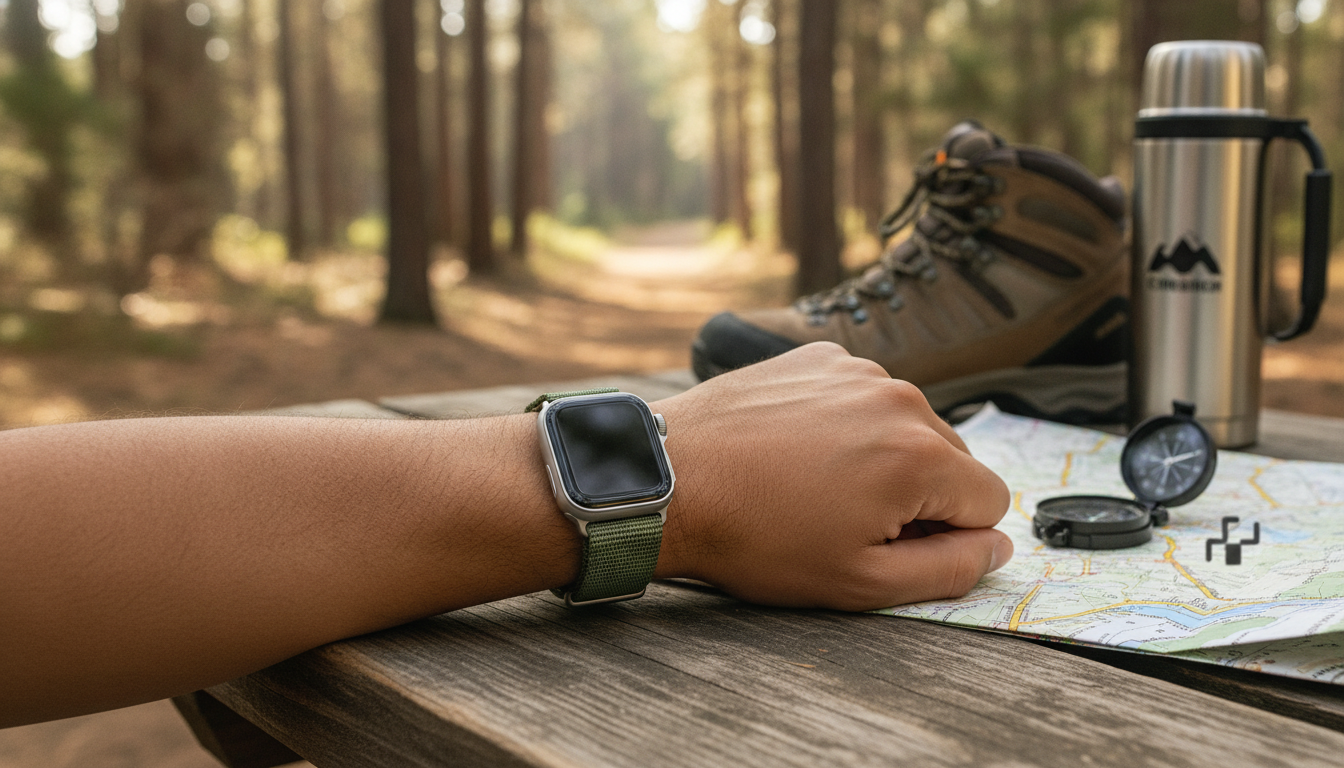
Apple Watch Nylon Trail Loop Strap: Lightweight Comfort for Everyday and Outdoors
A nylon trail loop strap is built for all-day wear: breathable fabric, quick adjustments, and a secure fit that stays comfortable from workouts to commuting. This guide covers fit, compatibility, comfort, care, and what to look for when choosing a strap—especially if you want something that feels light on the wrist without sacrificing stability on the move.
What a Nylon Trail Loop Strap Is
A nylon trail loop strap is a soft, woven fabric band made to feel flexible and forgiving while still holding your Apple Watch securely in place. Compared with rigid materials, a woven nylon strap tends to be gentler where the band contacts the skin, which can be helpful during long wear sessions.
- Soft woven nylon designed to reduce skin irritation compared with rigid materials
- Loop-style design intended to distribute pressure evenly around the wrist
- Quick on-and-off convenience for people who swap bands often
- A practical option for training, hiking, travel, and daily wear
Comfort and Fit: What to Expect Day to Night
Comfort is where a trail-style nylon loop strap shines. Because the material breathes, it can feel cooler than thicker silicone in warm weather, and it tends to dry faster than heavier fabric weaves after a rinse.
- Breathability helps reduce sweat buildup during workouts and warm weather
- Flexible fabric can feel less restrictive than metal or thick silicone during sleep
- Micro-adjustability makes it easier to dial in fit when wrists swell from heat or activity
- If between sizes, a slightly snug fit helps keep heart-rate readings steadier during movement
For day-to-night wear, the sweet spot is “snug without pressure.” A strap that’s too loose can let the watch shift and break sensor contact during movement, while an overly tight strap may leave marks or feel distracting when typing, driving, or sleeping.
Compatibility With Apple Watch Sizes and Series
Apple Watch bands typically work within Apple’s case-size groups—meaning you’ll usually match the band connector to your watch’s case size category (smaller vs. larger). Before ordering, confirm the band lists compatibility for your specific case size so the connectors slide in smoothly and lock with a firm click.
- Apple Watch bands are generally compatible within case-size groups (for example, smaller vs larger cases)
- Confirm the strap’s connector size matches the watch case size listed for the band
- If upgrading watches, many bands can carry over as long as the case-size group matches
- When in doubt, check Apple’s official band compatibility guidance before ordering
Quick compatibility checklist
| Check | Why it matters |
|---|---|
| Case size group (small vs large) | Ensures the connector slides in and locks correctly |
| Wrist size range | Prevents a band that’s too short or leaves excess tail |
| Closure type | Affects security during running, lifting, and hiking |
| Skin sensitivity | Nylon can be gentler for many people than some rubbers or metals |
To identify your Apple Watch model and size, Apple’s support guide can help confirm what you have before purchasing accessories: Apple Support: Identify your Apple Watch. For Apple’s current band lineup and sizing references, see Apple Watch bands and accessories (Apple).
Security During Movement
Trail loop-style nylon straps are popular for active use because they’re designed to stay put without needing a rigid buckle. That said, security depends on two practical details: how well the closure holds tension and how stable the band stays when your wrist is sweaty or dusty.
- A secure closure helps prevent loosening during repetitive motion (running, rowing, HIIT)
- A low-profile strap reduces snag risk on sleeves, gloves, and backpack straps
- For trail use, prioritize a design that stays stable even when the wrist is sweaty or dusty
- After intense sessions, re-check tension so sensors sit flush without feeling tight
A good routine is to tighten slightly before a workout so the sensor stays in contact, then loosen a notch afterward for comfort and circulation—especially if you’re transitioning straight into work or errands.
Daily Styling and Versatility
Beyond workouts, nylon looks natural with everyday outfits. It reads casual and functional, but it can still look clean and intentional—especially in neutral tones. If you wear your Apple Watch all day, a fabric strap can also reduce the “hard edge” look that some metal bands create.
Care, Cleaning, and Drying
For broader cleaning guidance around the watch and band, Apple provides step-by-step recommendations here: Apple Support: Clean your Apple Watch. Always make sure the strap is fully dry before wearing it overnight to avoid prolonged damp contact against the skin.
When a Nylon Trail Loop Strap Is the Best Choice
Recommended Picks From the Shop
- Apple Watch Nylon Trail Loop Strap: a lightweight fabric option designed for comfortable all-day wear and easy adjustment
- 3-in-1 Apple Charging Station for iPhone, AirPods & Apple Watch: a convenient bedside or desk companion to keep devices powered in one place
FAQ
Can a nylon trail loop strap be worn for swimming or showering?
Many fabric straps can handle occasional water exposure, but they should be rinsed and fully air-dried afterward. Wearing a wet fabric strap for long periods can feel uncomfortable and may lead to odor, and drying time is typically longer than silicone.
How do the Apple Watch band sizes work across different watch cases?
Apple organizes band fit around case-size groups (commonly smaller vs. larger cases), so the band connector must match your watch’s case size group to lock correctly. When unsure, confirm your model and follow Apple’s official compatibility guidance for the specific watch and band.
How should the strap fit for accurate heart-rate tracking?
A snug-but-not-tight fit helps keep the sensor in consistent contact with your skin, especially during movement. For workouts, tighten slightly to reduce shifting, then loosen afterward for everyday comfort.








Leave a comment