Hand Mixer vs Immersion Blender: Which Is Better?
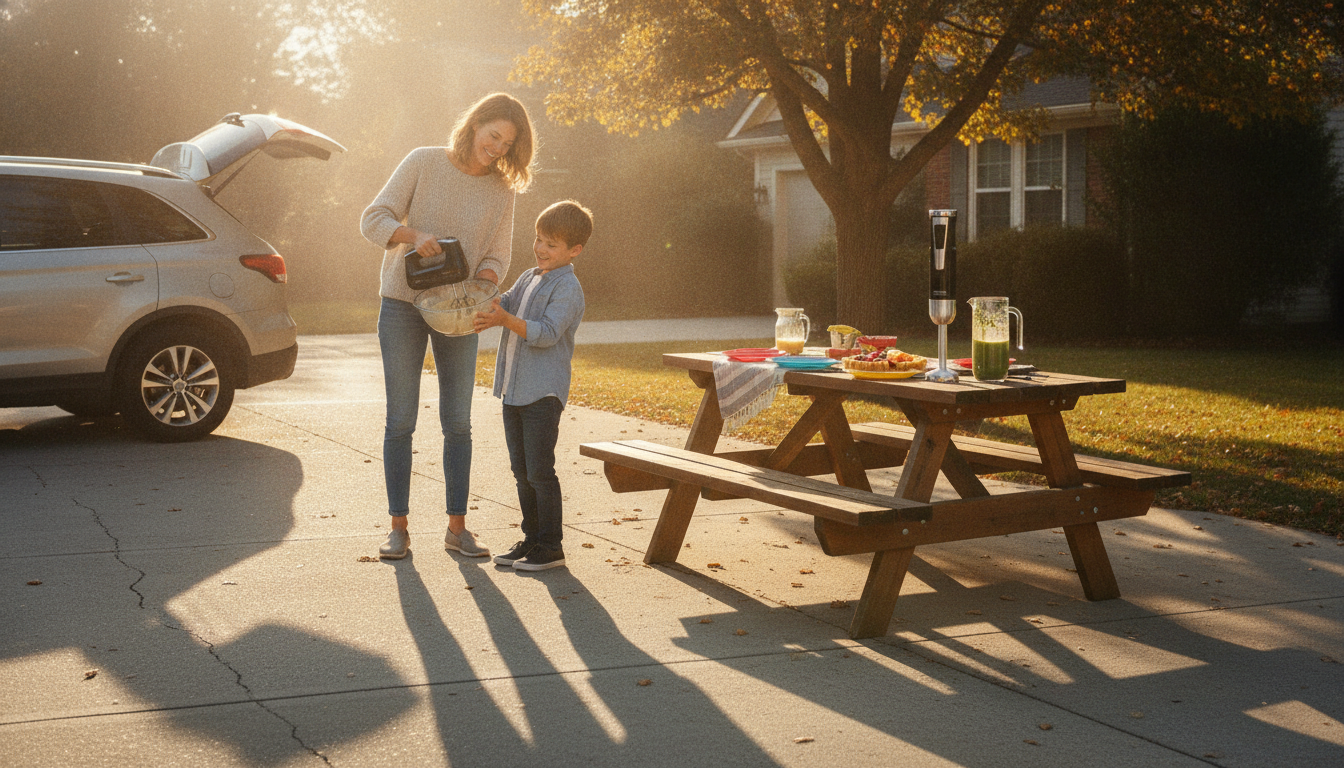
Is a handheld mixer better than a handheld blender?
Neither is universally “better”—they’re built for different jobs. A handheld mixer (often called an electric hand mixer) is best when the goal is to aerate, whip, or evenly combine lighter mixtures. A handheld blender (immersion blender) is better when the goal is to break down foods into a smooth or semi-smooth texture directly in a cup, pot, or bowl.
When a handheld mixer is the better choice
Pick a handheld mixer when you’re working with batters and dough-adjacent mixtures that need agitation and air. It shines for whipping cream, beating egg whites, mixing cake batter, frosting, pancake batter, and cookie dough (within the mixer’s power limits). The beaters are designed to incorporate air and create volume—something immersion blenders generally don’t do as well.
When a handheld blender is the better choice
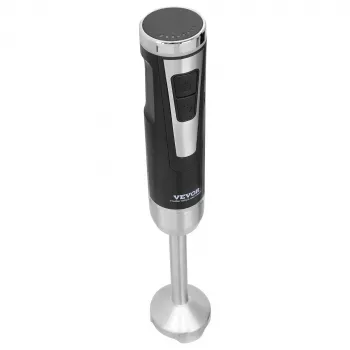
Choose a handheld blender for soups, sauces, smoothies, protein shakes, baby food, and quick purees. It’s made to process liquids and soft foods into a consistent texture, often right in the cooking pot—meaning fewer transfers and fewer dishes. If you want to blend fruit, emulsify a vinaigrette, or smooth out a simmering soup, a handheld blender is typically the faster, cleaner tool.
Texture, control, and cleanup differences
A mixer’s beaters create lift and structure; a blender’s blade creates shear and pulverization. Mixers are usually easier for thick, sticky mixtures, while blenders are easier for liquid-heavy recipes. Cleanup can favor the blender (a quick rinse of the blending shaft), though mixers are simple too if you can pop off the beaters.
Which one to buy first
If most of your recipes are baked goods and whipped toppings, start with a handheld mixer. If you make soups, smoothies, and sauces more often—or want a compact tool for quick blends—start with a handheld blender. For a deeper comparison of portable, cordless options and speed settings, see this handheld blender vs mixer guide.
FAQ
Can a handheld blender whip cream?
It can thicken cream somewhat, but it usually won’t whip as fluffy or stable as a handheld mixer. For peaks and volume, a mixer is the more reliable choice.






Leave a comment