Portable Cordless Handheld Blender Mixer (8/12 Speeds)
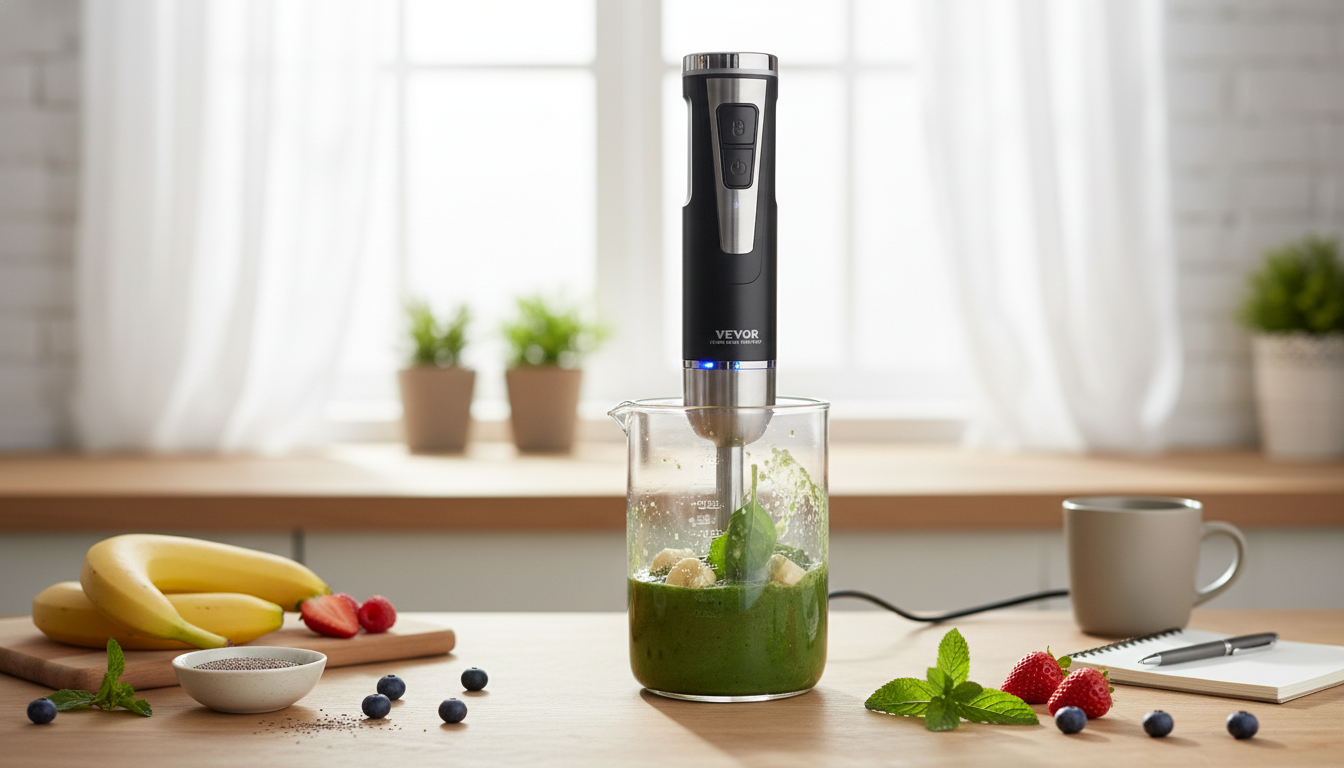
Portable 8/12 Speed Cordless Handheld Blender Mixer: Quick Blending Without the Cord
A cordless handheld blender mixer makes it easier to blend soups, whip dressings, and mix drinks directly in a pot, cup, or bowl—without being tied to an outlet. A portable multi-speed model is built for quick, small-to-medium jobs where pulling out a full-size blender feels like overkill. Below is what this style of blender does best, why 8/12 speed control changes the experience, and how to use and care for it for consistently smooth results.
What a cordless handheld blender mixer is best for
Handheld immersion-style blending is all about convenience and control. Instead of transferring hot or messy liquids into a pitcher, you bring the blender to the food.
- Blending hot soups and sauces right in the pot to reduce pouring and cleanup
- Emulsifying dressings and mayonnaise-style sauces with better control
- Mixing protein shakes, smoothies in a cup, and baby food in small batches
- Light whisking and mixing tasks where a countertop blender is unnecessary
- Quick touch-ups: smoothing a gravy, breaking up lumps, or re-blending a separated drink
For food safety basics—especially when handling raw ingredients or cooling and storing blended foods—review practical guidance from the USDA Food Safety and Inspection Service.
Why multi-speed control matters (8/12 speeds)
More speed settings don’t just mean “faster.” They give finer control over splatter, texture, and how much air gets whipped into what you’re making.
- Lower speeds help prevent splatter when starting in thin liquids
- Medium speeds work well for soups, cooked vegetables, and soft fruits
- Higher speeds help achieve a smoother texture faster in thicker blends
- Stepping through speeds can reduce over-processing and avoid incorporating excess air
- Useful approach: start low, angle the head slightly, then increase speed once the mixture begins to circulate
That “start low, then build” habit is the difference between a clean countertop and a lidless splashing incident—especially with broth-based soups, salad dressings, and thin batters.
Key features to look for in a portable cordless model
Cordless convenience is only as good as the design details. These are the features that tend to matter most in day-to-day cooking.
- Battery and charging: Look at expected run time, the charging method, and whether you can top it up between tasks.
- Ergonomics: A comfortable grip, balanced weight, and easy-to-reach speed controls make blending steadier (especially in tall cups).
- Blending head shape: A good guard helps pull ingredients toward the blades while minimizing suction to the container bottom.
- Attachments: Many kits focus on a blending wand; some include or support optional whisk/chopper add-ons.
- Cleanup: Detachable parts, fewer crevices, and a quick rinse right after use make maintenance painless.
- Noise and vibration: Less vibration improves control and reduces hand fatigue over longer blends.
For general product safety awareness and recalls across consumer appliances, it’s also useful to know where to check updates from the U.S. Consumer Product Safety Commission (CPSC).
Portable 8/12 Speed Cordless Handheld Blender Mixer at a glance
The Portable 8/12 Speed Cordless Handheld Blender Mixer is designed for quick blending anywhere you have room to work—at the stove, at the table, or even in a travel cooking setup where outlets are inconvenient.
- Cordless format supports quick blending anywhere in the kitchen, patio, or travel setup with a suitable charger
- Multi-speed control supports gentle starts and faster finishing passes
- Handheld design targets small to medium tasks without needing a full blender pitcher
- Good fit for kitchens with limited counter space or for cooks who prefer blending directly in cookware
Quick comparison for everyday tasks
| Task | Recommended speed approach | Container tip | Common mistake to avoid |
|---|---|---|---|
| Hot soup in a pot | Start low, increase gradually | Use a deep pot; keep head submerged | Lifting the head above the surface while running |
| Smoothie in a cup | Medium to high after a low start | Tall cup for better circulation | Overfilling, which restricts movement |
| Salad dressing | Low to medium | Jar or beaker; tilt slightly | Starting high and splashing oil |
| Cooked vegetables (puree) | Medium; finish high for smoothness | Add a little liquid for flow | Running dry and forcing the motor |
| Gravy/lump removal | Low to medium pulses | Wide saucepan; keep steady | Continuous high speed that aerates and thins |
How to use it for smoother results and less mess
Small technique changes make a big difference—especially with cordless units, where control is the whole point.
Cleaning, care, and battery habits
Who this blender mixer is a good fit for
Common questions before buying
More in-stock picks to round out your kitchen-and-gifting list
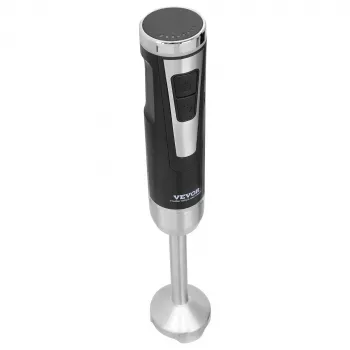
- Portable 8/12 Speed Cordless Handheld Blender Mixer
- 3D Wooden Racing Car Puzzle Kit
- Silicone Strap for Apple Watch with Engraved Letters
FAQ
Can a cordless handheld blender be used in hot soup?
Yes, as long as the blending head stays submerged and you use a deep pot to prevent splatter. Avoid running the blender above the surface while it’s on, and follow any temperature and care guidance in the product manual.
What is the benefit of having 8/12 speeds on a handheld blender mixer?
More speed steps let you start gently to reduce splashing and then ramp up for smoother texture in thicker blends. It also makes it easier to match the speed to the mixture instead of defaulting to max power.
How should it be cleaned after blending sauces or smoothies?
Rinse right away; then blend warm water with a small drop of dish soap for a few seconds, rinse again, and dry the attachment. Keep the motor body out of standing water and wipe it clean with a damp cloth.







Leave a comment