Round Wall Mirrors in Bedrooms: Benefits, Placement, Tips
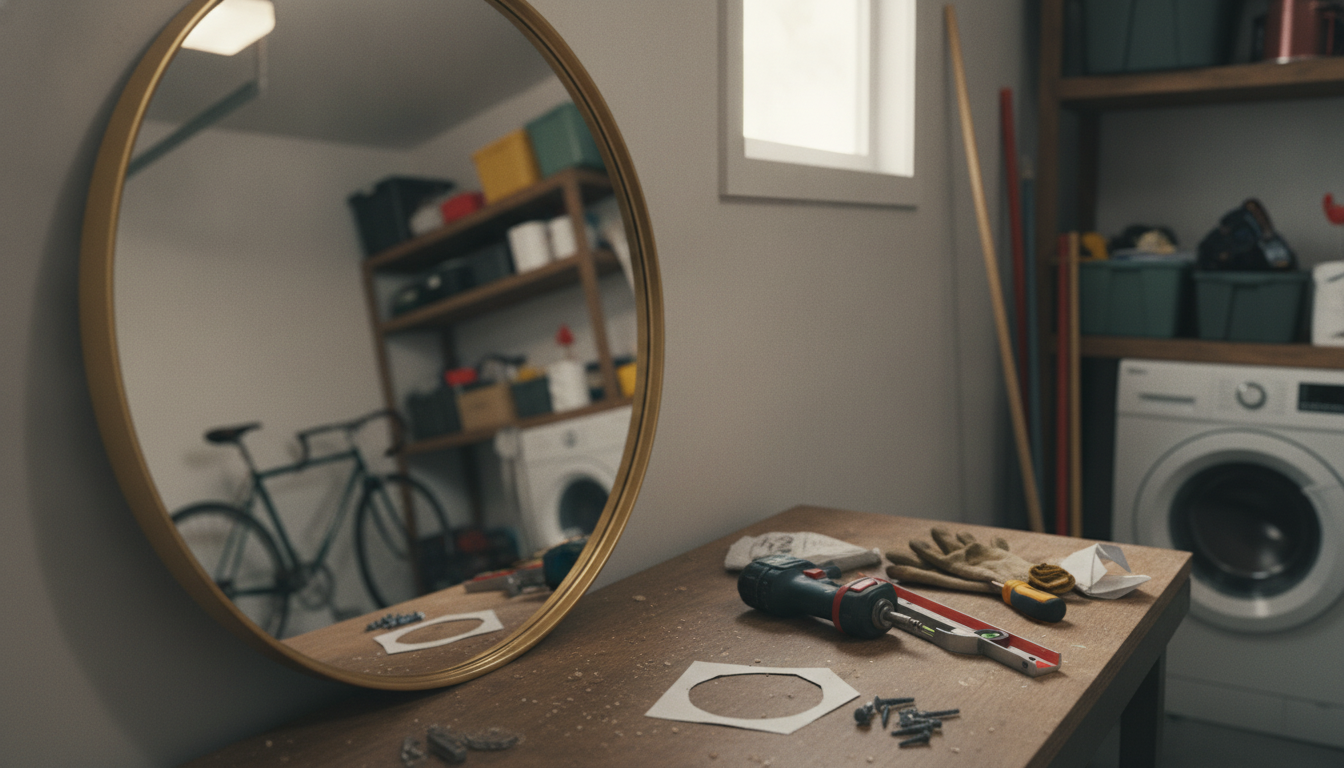
Are round wall mirrors good for bedrooms?
Yes—round wall mirrors are a strong choice for bedrooms because they soften the room’s look, help bounce light, and make tight spaces feel less boxed-in. The circular shape breaks up the hard lines of headboards, dressers, and nightstands, creating a calmer, more balanced vibe that fits especially well in a space meant for rest.
Why round mirrors work especially well in a bedroom
Bedrooms usually have lots of rectangles: the bed, doors, windows, and furniture. A round mirror adds contrast without feeling loud, which can make the room feel more intentional and less cluttered. They’re also great at reflecting ambient light from lamps or windows, brightening corners and making the space feel larger—helpful in smaller bedrooms or rooms with limited natural light.
Best places to hang a round wall mirror
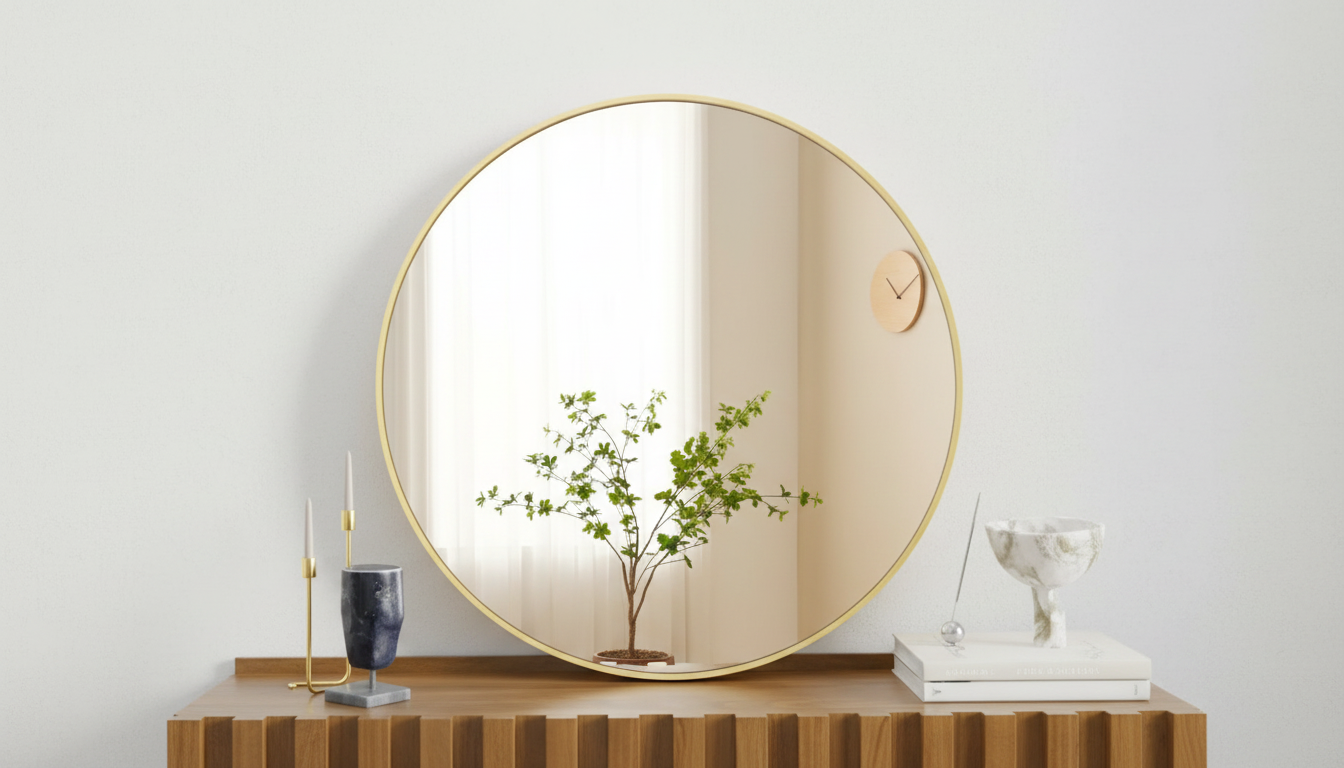
Common placements include above a dresser (for a practical getting-ready spot), above a nightstand (to add height and interest), or on a wall opposite a window (to amplify daylight). If your bedroom has a narrow walkway, a round mirror can visually widen the area without adding physical bulk.
Size and height tips for a polished look
For a dresser, choose a mirror that’s a bit narrower than the furniture—often around two-thirds to three-quarters of the dresser’s width. Hang it so the center sits roughly at eye level, adjusting slightly depending on whether it’s primarily decorative or used daily for grooming. If you’re pairing it with sconces or lamps, keep enough breathing room so the mirror doesn’t feel cramped by nearby fixtures.
Frame styles that suit bedrooms
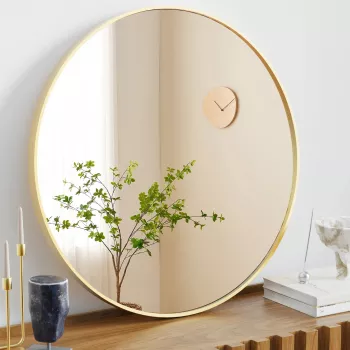
Thin metal frames (like gold or black) feel airy and modern, while thicker wood frames bring warmth and a more relaxed look. A round mirror with a simple frame tends to age well as bedding and decor change, making it a versatile bedroom staple.
For more detailed guidance on sizing, placement, and style ideas, visit this round wall mirror guide.
FAQ
Where should a mirror not be placed in a bedroom?
Avoid placing a mirror where it creates harsh glare from direct sunlight or reflects cluttered areas that make the room feel busy. If a spot makes the space feel visually “noisy,” try moving the mirror to reflect a calmer wall, artwork, or soft lighting instead.







Leave a comment