1/2 Drive Deep Impact Socket Set: Reach, Torque, Fit
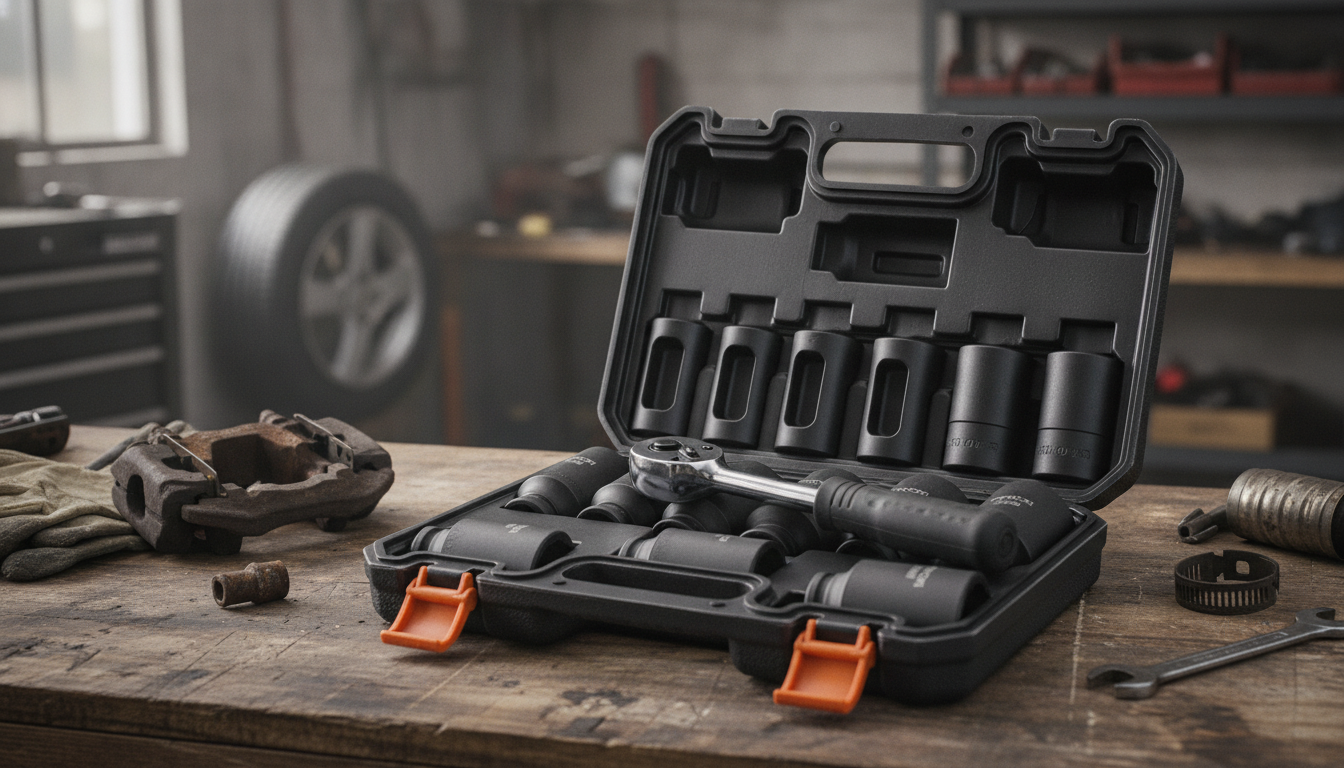
1/2″ Drive Deep Impact Socket Set for Stubborn Fasteners and Tight Recesses
Deep impact sockets are built for high-torque tools and for reaching nuts and bolts that sit below the surface—like lug nuts, suspension hardware, and recessed fasteners on equipment. A 1/2″ drive deep impact socket set is a go-to choice when you want solid engagement, added reach, and the durability to handle repeated impact pulses. Below is a practical breakdown of where these sockets shine, how they compare to shallow options, and what to check so your set fits the jobs that actually come up in a garage or small shop.
What a 1/2″ Drive Deep Impact Socket Set Is Best For
A deep impact set earns its keep when access and torque are both working against you. The extra depth helps the socket reach past long studs and down into recessed holes while still fully gripping the fastener head.
- Recessed fasteners where a standard-depth socket bottoms out before gripping the nut or bolt head
- Automotive work such as wheel lugs, axle nuts (size-dependent), brake and suspension hardware
- Equipment and shop tasks where impact wrenches deliver repeated torque pulses
- Jobs where a heavier socket reduces rounding compared with thin chrome hand sockets
Deep Impact vs. Standard (Shallow) Sockets
Socket choice is often about access geometry. Deep sockets help with reach; shallow sockets help when there’s not much side clearance for a long socket body. Separately, “impact-rated” refers to how the socket is built for shock loading; chrome hand sockets are typically not recommended on impact tools.
- Deep sockets provide extra reach and more clearance for long studs; shallow sockets provide better access in tight side-clearance areas
- Impact-rated sockets are designed for impact tools; chrome hand sockets are typically not recommended for impact wrenches
- A mixed setup (deep + shallow) covers more scenarios, but a deep set is often the first purchase for lug nuts and recessed hardware
Quick Comparison: Deep Impact vs. Shallow and Drive Sizes
| Type / Drive | Best Use | Pros | Limitations |
|---|---|---|---|
| Deep impact (1/2″ drive) | Lugs, recessed nuts, long studs, high-torque fasteners | Reach + impact durability | May be too long for tight side-clearance |
| Shallow impact (1/2″ drive) | Fasteners close to a surface with limited clearance | Compact access + impact durability | Less reach on long studs |
| Deep chrome (hand use) | Ratchet/hand torque in recessed areas | Often lighter and smoother finish | Not recommended for impact tools |
| 3/8″ drive (impact or hand) | Medium-torque fasteners, tighter spaces | Better access on smaller hardware | Lower torque capacity than 1/2″ drive |
Key Features That Matter in Daily Use
A socket set can look similar on a listing page, but a few details make the difference between “works sometimes” and “reaches for years.”
- Drive size (1/2″): Matches common impact wrenches and breaker bars used for wheels and suspension work.
- Depth: Helps reach fasteners on long studs and inside wheel recesses, reducing the temptation to stack adapters.
- Material and heat treatment: Impact sockets are commonly made from alloy steel and designed to handle shock loading.
- Markings: High-contrast, easy-to-read size markings speed up swaps when you’re moving between sizes quickly.
- Retention: Confirm compatibility with detent pins, friction rings, or hog-ring anvils on your impact wrench.
- Storage: A case or rail keeps sizes organized, prevents loss, and makes it easier to spot a missing socket at cleanup.
Using Impact Sockets Safely and Getting Better Results
Impact tools multiply force, and good habits help avoid broken tools and rounded hardware. General safety guidance for hand and power tools is also worth reviewing through OSHA’s overview: https://www.osha.gov/hand-power-tools.
- Use impact-rated sockets with impact wrenches; avoid chrome hand sockets on impact tools to reduce risk of cracking.
- Inspect sockets for cracks, rounded corners, or excessive wear; replace damaged pieces promptly.
- Match socket size precisely to reduce rounding; avoid “close enough” sizes on rusted hardware.
- Apply penetrating oil and allow soak time on corroded fasteners; use controlled bursts with the impact wrench.
- For extremely tight fasteners, start with a breaker bar to “feel” movement, then switch to impact if appropriate.
- Wear eye protection; keep hands clear of rotating adapters and extensions.
For shoppers who like standards-based context around hand tools and accessories, ASME’s B107 overview is a helpful reference point: https://www.asme.org/codes-standards/find-codes-standards/b107-hand-tools-and-accessories.
Fit, Compatibility, and What to Check Before Buying
Product Spotlight: 1/2″ Drive Deep Impact Socket Set
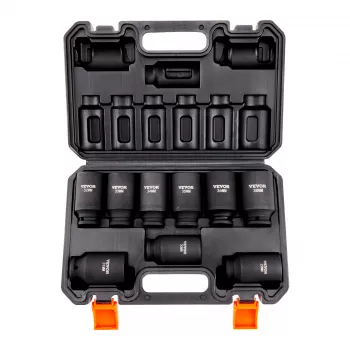
If the goal is a practical setup for wheel lugs, recessed fasteners, and other higher-torque work, a dedicated deep impact set is a strong starting point. The 1/2″ Drive Deep Impact Socket Set is suited for pairing with 1/2″ impact wrenches, breaker bars, and torque wrenches where deep reach is needed.
More In-Stock Picks
- 3-in-1 Apple Charging Station for iPhone, AirPods & Apple Watch
- Portable 8/12 Speed Cordless Handheld Blender Mixer
- Bohemian Hypoallergenic Imperial Jasper Stone Drop Earrings for Women
FAQ
Can impact sockets be used with a regular ratchet or breaker bar?
Yes. Impact sockets work fine with hand tools like ratchets and breaker bars. The key limitation is the other direction: avoid using chrome hand sockets with impact wrenches.
Why choose deep impact sockets instead of shallow ones?
Deep impact sockets reach nuts on long studs and recessed fasteners, which is common on wheels and suspension points. Shallow sockets are often better when the socket’s outside length would hit nearby parts.
Do I need a 1/2″ drive set if I already have 3/8″?
For higher-torque jobs like lug nuts and many suspension fasteners, 1/2″ drive typically matches tool capacity and durability better. A 3/8″ set is still useful for smaller hardware and tighter spaces.








Leave a comment