iPhone Charging Control: What App Actually Manages It?

What is the iPhone app that controls charging?
On an iPhone, there isn’t one single “charging control” app that manages everything the way a laptop battery utility might. Instead, Apple builds most charge-management features directly into iOS. The most common one people mean is Optimized Battery Charging, which learns your routine and delays charging past 80% until you’re likely to need a full battery—helping reduce long-term battery wear.
How to control charging on iPhone (without a separate app)
To find Apple’s built-in charging controls, go to Settings > Battery > Battery Health & Charging. From there, you can toggle:
- Optimized Battery Charging (available on many iPhone models): reduces time spent at 100%.
- Clean Energy Charging (where available): tries to charge when the grid is cleaner, when practical.
If your goal is to “stop charging at 80%,” iOS doesn’t offer a manual hard stop on most iPhones. The closest options are using Optimized Battery Charging, setting a charging routine you stick to, and relying on alerts or Shortcuts automations to remind you to unplug.
What about apps that claim to manage charging?
Third-party apps can monitor battery stats, estimate battery health, or send reminders, but they generally can’t directly control the iPhone’s charging behavior due to iOS restrictions. Hardware choices—like using a quality charger, cable, and a stable charging setup—often make a bigger difference for day-to-day convenience.
A simpler way to manage multiple Apple devices
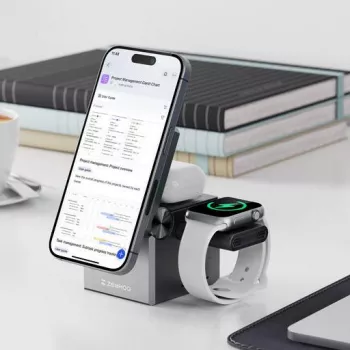
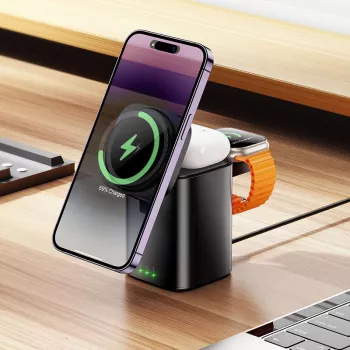
If “controlling charging” really means keeping your iPhone, Apple Watch, and AirPods powered up neatly (and avoiding cable clutter), a dedicated multi-device charger can help. For a practical overview of a setup that charges all three together, see this guide: 3-in-1 Apple charging station for iPhone, AirPods, and Apple Watch.
For iPhone Charging Control: What App Actually Manages It?, the best answer depends on fit, material, care instructions, and how the product will be used day to day.
FAQ
Does MagSafe stop charging at 100%?
No. MagSafe follows the iPhone’s normal charging logic and will still charge to 100% unless Optimized Battery Charging delays the final portion based on your routine.









Leave a comment