2150Wh LiFePO4 Expansion Battery: Runtime & Fit Guide
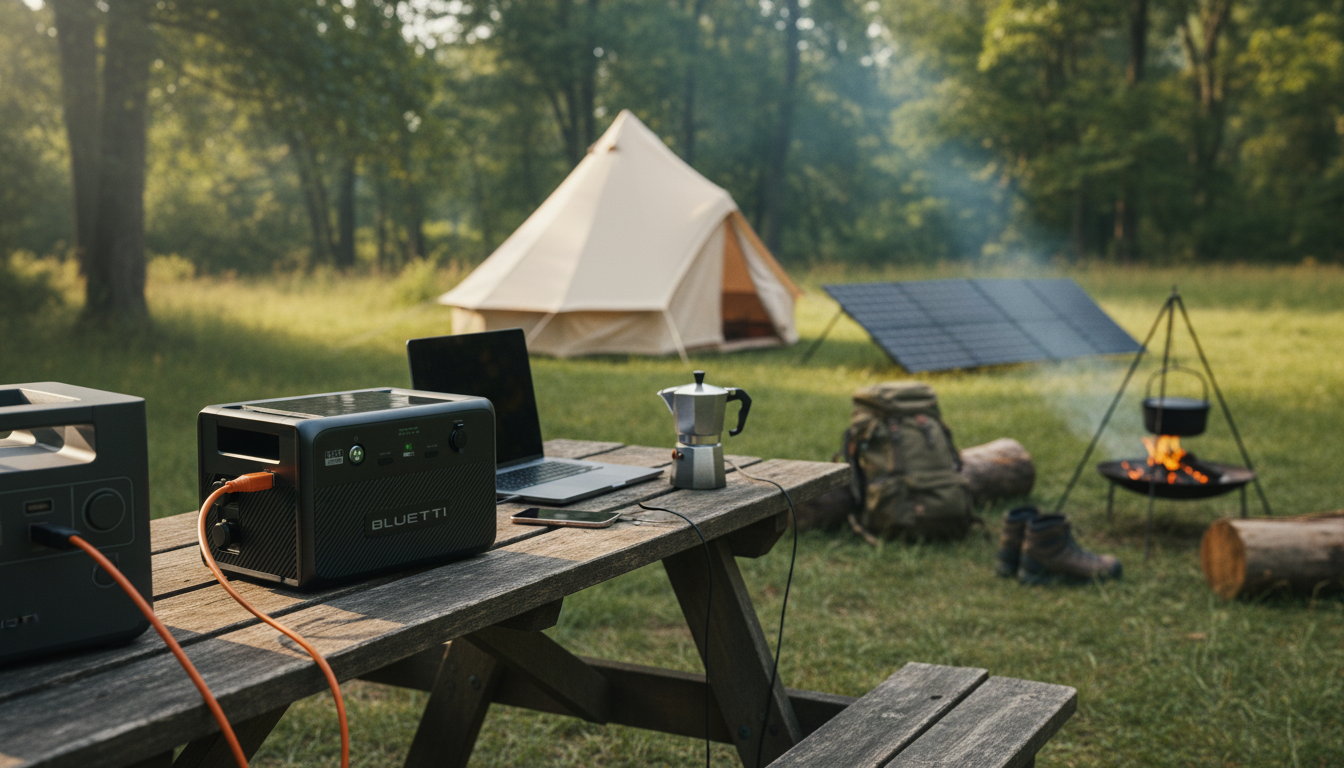
2150Wh LiFePO4 Expansion Battery for Power Stations
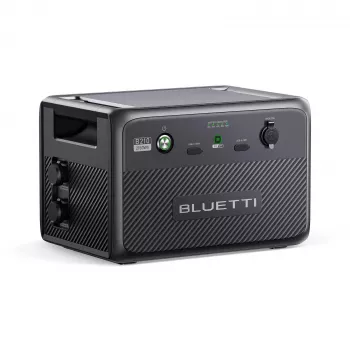
A high-capacity expansion battery can turn a portable power station into a longer-lasting backup system for outages, camping, RV use, and job sites. This 2150Wh LiFePO4 expansion battery focuses on stable, repeatable energy delivery with the cycle-life and thermal characteristics that make LiFePO4 a popular choice for modular power setups.
What an expansion battery adds to a power station
Most portable power stations are limited by how much energy they can store, not by how many devices they can physically plug in. Adding an expansion battery increases your available watt-hours, which is the real driver of runtime.
- Extends total stored energy so connected devices run longer without refueling or recharging.
- Supports modular setups where capacity can be increased without replacing the main power station.
- Helps reduce deep discharges on the main unit by spreading load across more capacity.
- Works best when the power station and expansion battery are designed to communicate for safe charging/discharging.
If you’re building a more resilient setup, start with a compatible expansion battery like the 2150Wh LiFePO4 Expansion Battery for Power Station and confirm your power station supports the correct expansion interface before purchasing.
Key specifications to understand before buying
A 2150Wh-class expansion battery sounds straightforward, but real-world results depend on several specs working together—from chemistry to communication protocols.
- Energy capacity: 2150Wh (about 2.15kWh) indicates how much usable energy is available before losses.
- Battery chemistry: LiFePO4 is valued for cycle life and stability compared with many other lithium chemistries (see Battery University’s overview of lithium-based batteries for a chemistry comparison).
- Power station compatibility: expansion ports, supported cable/connector type, and firmware requirements vary by brand.
- Charging behavior: some systems charge expansion batteries only through the power station; others allow direct charging.
- Physical considerations: size, weight, handle placement, and storage temperature limits affect real-world use.
- Warranty and serviceability: confirm coverage terms and whether the unit has user-serviceable fuses or ports.
Quick spec checklist for a 2150Wh class expansion battery
| Spec | Why it matters | What to confirm |
|---|---|---|
| Capacity (Wh) | Determines runtime extension | Rated Wh and any stated usable capacity |
| Chemistry (LiFePO4) | Impacts cycle life and safety characteristics | Cycle rating, operating temperature range |
| Expansion interface | Ensures the battery can communicate and charge safely | Supported power-station models and cables |
| Protections (BMS) | Prevents over/under-voltage, over-current, overheating | Built-in protections and shutoff behavior |
| Charging options | Affects refill time and flexibility | Whether charging is via station only or also direct input |
| Portability | Determines where it can realistically be used | Weight, handle design, storage requirements |
Estimated runtime: turning watt-hours into real usage
Watt-hours tell you how much energy is stored; watts tell you how fast you’re using it. A practical estimate is:
Runtime (hours) ≈ battery Wh × efficiency ÷ device watts
- Plan for losses (inverter conversion, heat, idle draw): a conservative efficiency range is often 0.75–0.90 depending on the system.
- Examples: a 100W device may run roughly 16–19 hours; a 500W load roughly 3.2–3.9 hours; a 1000W load roughly 1.6–1.9 hours (actual results depend on the power station and load profile).
- High-surge appliances (compressors, power tools) require the power station’s inverter to handle startup watts even if average watts are low.
Sample runtime estimates (assuming 85% system efficiency)
| Load | Typical examples | Approx. runtime with 2150Wh |
|---|---|---|
| 60W | Wi‑Fi router + modem | ≈ 30 hours |
| 100W | Laptop charging / small fan | ≈ 18 hours |
| 300W | CPAP (varies), small TV | ≈ 6 hours |
| 500W | Small appliance or tools (steady) | ≈ 3.7 hours |
| 1000W | Heater on low / cooking appliance (steady) | ≈ 1.8 hours |
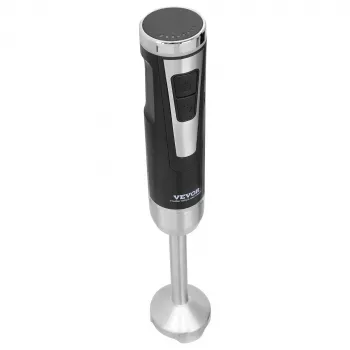
For a concrete “small-load” example, a compact kitchen gadget like the Portable 8/12 Speed Cordless Handheld Blender Mixer typically draws far less than large heating appliances, which can make it easier to support during a short outage or while camping—assuming you’re charging it from a compatible USB/AC source on your power station.
Compatibility and setup essentials
Expansion batteries are rarely universal. Even when connectors look similar, the control signaling and safety logic may not match between brands or model lines.
- Confirm the expansion battery is supported by the specific power station model (brand ecosystems are rarely interchangeable).
- Check the correct connection method: dedicated expansion port(s) and approved cable are typically required.
- Place both units on a stable, ventilated surface with clearance to avoid heat buildup.
- Connect while the power station output is off, then power on and verify the station recognizes added capacity.
- After first connection, perform one full charge cycle if the manufacturer recommends calibration.
If your use case includes emergency preparedness, it also helps to review basic efficiency concepts and backup planning tips from the U.S. Department of Energy’s Energy Saver resources.
Charging, storage, and long-term battery health
LiFePO4 is known for durability, but best practices still matter—especially when a battery spends long periods on standby.
Safety and protection features that matter
Where a 2150Wh expansion battery makes the biggest difference
What’s included and what to verify on arrival
FAQ
Will a 2150Wh expansion battery work with any power station?
Usually no. Expansion batteries typically require a specific expansion port, supported communication protocol, and an approved cable for the matching power-station model or brand ecosystem.
How much longer will 2150Wh run my devices?
Estimate runtime by dividing usable watt-hours by device watts and accounting for losses. Many setups see roughly 75–90% of rated Wh available after conversion and system overhead.
Is LiFePO4 safe for indoor backup use?
LiFePO4 is widely used for home backup because of its stability characteristics, but indoor use should still follow manufacturer guidance on ventilation, correct cables, and keeping the unit away from heat sources or physical damage.










Leave a comment