20-Bar Semi-Auto Espresso Machine: 58mm + Temp Control
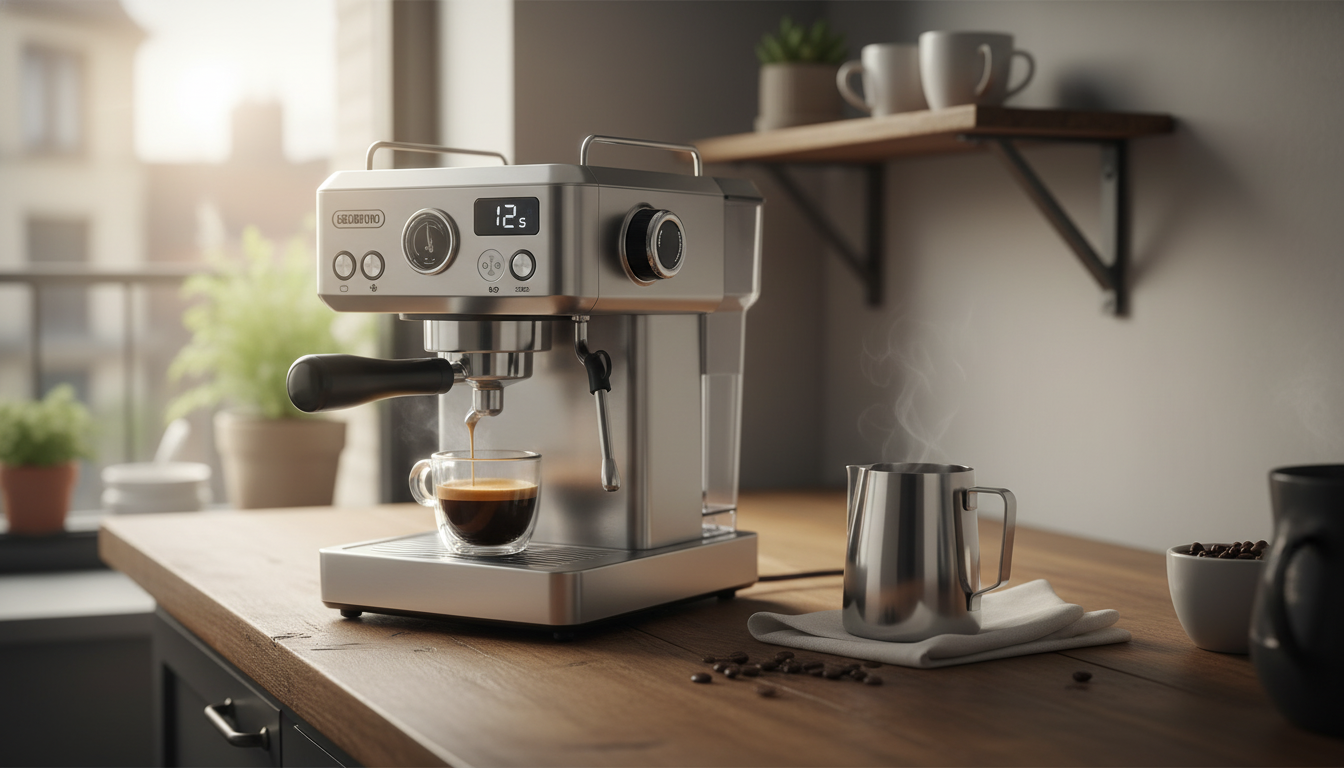
20 Bar Semi-Automatic Espresso Machine with Temperature Control (58mm Portafilter): What It’s Like to Use
A semi-automatic espresso setup can deliver café-style shots at home when pressure, temperature, and workflow stay consistent. A 20 bar semi-automatic machine with temperature control and a 58mm portafilter is built around that idea: give enough power for espresso extraction, add temperature management to steady the brew, and keep the process hands-on so results improve as technique improves. Below is what daily use tends to feel like, what to pair it with, and how to dial in better espresso without chasing endless variables.
Who This Machine Fits Best
- Home espresso drinkers who want more control than a pod system but less complexity than a manual lever machine.
- Users aiming for repeatable espresso temperature and shot results across multiple drinks per day.
- Anyone who prefers 58mm accessories (baskets, tampers, distribution tools) for broader compatibility.
- Milk-drink fans who want to build lattes/cappuccinos around a consistent espresso base.
Core Features That Matter Day to Day
The practical advantage of a semi-automatic machine is that it doesn’t lock you into a single recipe. You control dose, grind size, tamp, and shot time—then use temperature control to tighten consistency as you switch beans.
At-a-Glance Specs and What They Mean
| Spec | What it is | Why it matters |
|---|---|---|
| Pump rating | 20 bar | Provides headroom for espresso extraction; consistency and puck prep still drive shot quality. |
| Temperature control | Adjustable/managed brew temperature | Helps dial flavor and repeatability, especially when changing beans or roast levels. |
| Portafilter size | 58mm | Better compatibility with common tampers, distributors, baskets, and bottomless portafilters. |
| Machine type | Semi-automatic | Keeps the process hands-on for learning and tuning shots without going fully manual. |
How those features show up in a morning routine
With a 58mm portafilter, prep tends to feel “standard café-style”: grind into the basket, distribute, tamp level, lock in, and start the shot. Temperature control is the quiet helper—when the machine holds a steadier brew range, you can change only one variable at a time (often grind size) and get clearer feedback from the cup. The pump rating mostly shows up as the machine feeling capable and responsive, even when dialing finer for denser beans.
What to Expect in the Cup
- More consistent crema and body when dose, tamp, and grind are kept consistent.
- Better clarity when temperature is matched to the roast level (lighter roasts often prefer hotter water and finer dialing).
- Improved shot-to-shot repeatability compared with entry-level systems that offer limited control.
- Espresso taste still depends heavily on grinder quality, fresh beans, and puck prep.
If the espresso tastes “different every time,” the fix usually isn’t a new machine setting—it’s tightening the routine: weigh the dose, keep your yield consistent, and make small grind changes. For deeper brewing education, resources from Specialty Coffee Association (SCA) and practical espresso technique explainers at Barista Hustle can help connect what you taste to what you adjust.
Dial-In Basics (A Practical Starting Point)
- Use fresh coffee: Beans within a few weeks of roast date are generally easier to extract and often produce better crema.
- Start with a consistent dose: Choose a basket-friendly dose and keep it fixed while you adjust grind size.
- Aim for a balanced shot time: If it gushes, go finer. If it chokes and drips, go coarser. Keep tamp pressure and dose steady while dialing.
- Temperature tweaks: If shots taste sharp/sour, raise temperature slightly. If harsh/bitter, lower slightly and double-check grind/timing.
- Puck prep: Distribute evenly, tamp level, and keep the rim clean so the portafilter seals well and channeling is less likely.
A simple way to stay sane while dialing in: change one thing at a time, and write down what you changed. That alone can cut through the “mystery” of espresso fast.
58mm Portafilter: Compatibility and Accessories Worth Considering
Cleaning and Maintenance Habits That Protect Flavor
Common Issues and Quick Fixes
Price, Stock, and What’s Included
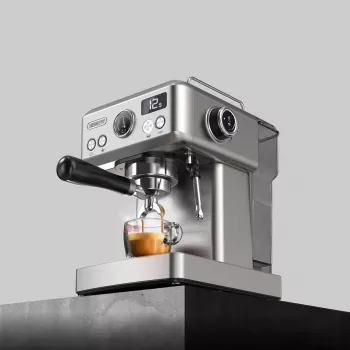
The 20 Bar Semi-Automatic Espresso Machine with Temperature Control – 58mm Portafilter is listed at $409.17 USD and is currently in stock. It tends to offer its best value when paired with a capable grinder and a basic scale, since those two tools often improve results more than micro-adjustments to technique alone.
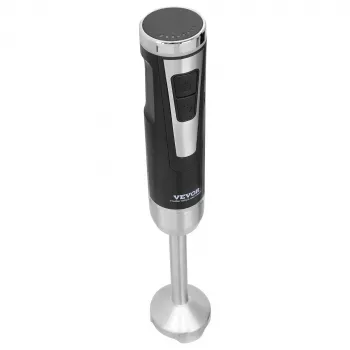
If iced lattes, frappé-style drinks, or coffee protein shakes are part of the routine, a compact kitchen helper can be useful alongside an espresso setup. The Portable 8/12 Speed Cordless Handheld Blender Mixer is also in stock and can handle quick cold foam-style mixes or blended drinks without taking over counter space.
FAQ
Does 20 bar pressure make better espresso than 9 bar?
Not automatically. “20 bar” is typically a pump capability rating, while the brew pressure at the coffee puck is regulated by the machine and the resistance created by your grind and puck prep; shot quality still depends heavily on grind, dose, distribution, and flow.
Why is a 58mm portafilter a big deal?
58mm is a common standard, so it’s easier to find compatible baskets, tampers, distribution tools, and even alternate portafilters. That compatibility makes upgrades simpler and helps long-term consistency as your routine improves.
How should brew temperature be adjusted for different roasts?
Lighter roasts often do better with slightly higher temperatures to help extraction, while darker roasts can taste smoother at slightly lower temperatures. Make small changes and keep dose and shot time consistent so you can taste what the temperature change actually did.









Leave a comment