1000W Solar Power Station: Camping & Backup Essentials
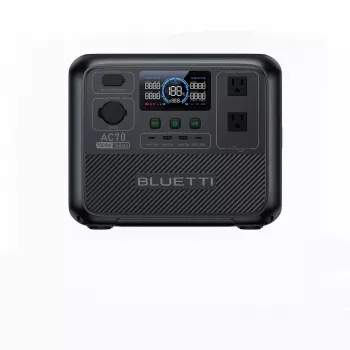
Reliable 1000W Power You Can Carry: Camping, Home Backup, and Worksites
A 1000W portable power station with solar charging is a practical middle ground between convenience and resilience—strong enough for the essentials during an outage, easy to bring to camp, and flexible enough to recharge from the sun when wall power isn’t available. The key is understanding what “1000W” really means, how battery capacity affects runtime, and how to build a solar setup that fits real conditions instead of best-case marketing numbers.
What a 1000W Power Station Can Power (and for How Long)
A 1000W rating is the maximum continuous AC output the inverter can supply. That makes this class a great match for weekend camping, tailgating, remote work setups, small-appliance use, and short-term outage coverage for critical devices.
- Know the limit: Some appliances have high startup demand (surge watts). Compressor-based devices (like mini fridges) and motor-driven tools can momentarily pull far more than their “running watts.”
- Runtime is mostly about watt-hours (Wh): Battery capacity (Wh), device wattage, inverter efficiency, and how many devices run at once all affect how long power lasts.
- Plan with a buffer: A simple estimate is Battery Wh ÷ device W, then subtract a margin for conversion losses and brief peaks.
- Prioritize critical loads: Phones, laptops, LED lighting, modem/router, CPAP (verify specs), a small fan, a small TV, and camera/drone charging are common “must haves.”
| Device | Typical Power Draw (W) | What to Check | Planning Tip |
|---|---|---|---|
| Smartphone charger | 5–20 | USB output type and max amps | Use USB ports for best efficiency |
| Laptop | 30–100 | USB-C PD wattage or AC adapter watts | Prefer USB-C PD if supported |
| LED lantern/string lights | 2–20 | DC/USB compatibility | Great for long runtimes |
| Mini fridge (compressor) | 40–100 (running) | Startup/surge watts | Ensure surge headroom; expect cycling |
| CPAP machine | 30–90 | Humidifier/heater increases watts | Consider DC cable; disable heat to extend runtime |
| Small blender/mixer | 200–500 | Motor surge and duty cycle | Run briefly; avoid simultaneous heavy loads |
| Space heater | 800–1500+ | Continuous wattage | Often exceeds 1000W; not ideal for this class |
Solar Charging Basics: How It Works in Everyday Use
Solar charging turns sunlight into DC electricity through a panel, then the power station’s charge controller regulates that power to safely recharge the battery. In practice, charging speed is a moving target—highly dependent on your panel size and your conditions.
- Panel wattage matters, but so does sun quality: Full midday sun is where panels perform best. Mornings, late afternoons, haze, heat, and partial shade can cut output dramatically.
- Match the station’s solar input specs: Every power station has a supported solar input voltage range and a maximum charging wattage. Staying inside those limits is critical for safe, efficient charging.
- Placement is a performance multiplier: Angle the panel toward the sun and avoid partial shade. Even a small shadow across part of a panel can reduce output more than expected.
- Combine charging options: Use solar during the day, then top off from a wall outlet or vehicle when available for faster turnaround.
For a deeper primer on how photovoltaics work, see the U.S. Department of Energy overview: Solar Photovoltaic Technology Basics. To gauge sun availability by location, NREL’s tools are a helpful reference: Solar Resource Data and Tools.
Key Features to Compare Before Buying
Using a 1000W Station Safely During Outages and Off-Grid Trips
For general outage preparedness planning, the EPA has guidance that can help shape a practical checklist: Power outage preparedness resources.
When a 1000W Class Station Is the Right Fit (and When It Isn’t)
Featured Option: 1000W Portable Power Station with Solar Charging
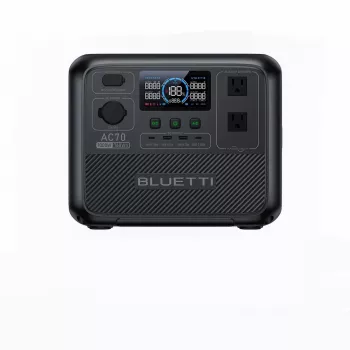
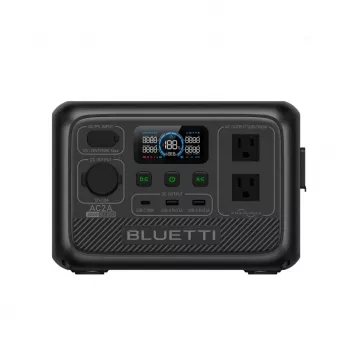
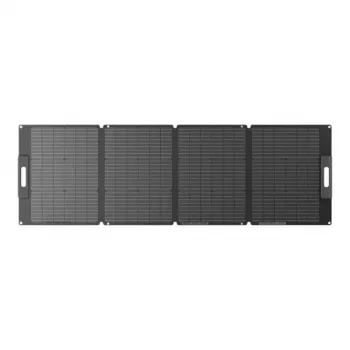
If you’re building a compact power kit for camping, road travel, or short outages, the 1000W Portable Power Station with Solar Charging is designed around the versatile 1000W output class. It can act as a central hub for charging common devices and running moderate AC loads, with the option to recharge via compatible solar panels when outlets aren’t available.
Helpful add-ons for a cleaner setup
- 3-in-1 Apple Charging Station for iPhone, AirPods & Apple Watch for consolidating everyday device charging at home or at a worksite.
- Portable 8/12 Speed Cordless Handheld Blender Mixer for quick blends at camp without committing large continuous loads to the power station.
FAQ
How long will a 1000W portable power station run a mini fridge?
Mini fridges cycle on and off, so estimate runtime by dividing the battery’s watt-hours (Wh) by the fridge’s average running watts, then subtracting a margin for inverter losses. Also confirm the fridge’s starting (surge) watts, since compressor startup can briefly exceed the running rating.
Can a portable power station be used indoors during a power outage?
Yes. Battery-based power stations produce no exhaust, so they’re commonly used indoors during outages. Keep ventilation openings clear, avoid overloading the outputs, and follow the manufacturer’s safety instructions.
What solar panel size is needed to recharge a 1000W-class power station?
Choose solar panel wattage based on the station’s maximum solar input and supported voltage range. In practical terms, 100–200W works for slower replenishing, while 300–600W can recharge much faster if the station supports it—sunlight conditions and panel angle still make a major difference.








Leave a comment