21-Inch Push Lawn Sweeper: Big Hopper, Faster Cleanup
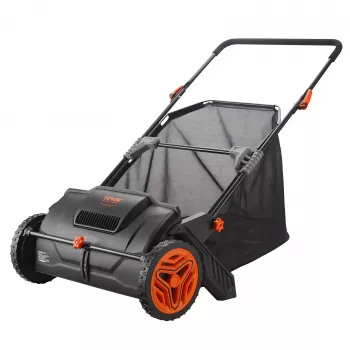
21-Inch Push Lawn Sweeper with Large Hopper Bag for Leaves & Grass
Keeping a yard tidy through leaf season and regular mowing doesn’t have to mean loud motors, extension cords, or endless raking. A push lawn sweeper collects dry leaves, grass clippings, and small debris with rotating brushes and a roomy hopper bag—making cleanup faster on lawns, driveways, and patios when conditions are right.
What a 21-inch push lawn sweeper does best
A 21-inch push lawn sweeper is built for routine, repeatable cleanup—especially when debris is dry and scattered rather than soaked and matted. As you walk forward, the wheels drive rotating brushes that lift light material and sweep it into a rear hopper bag.
- Picks up light yard debris by sweeping it into a hopper bag as the wheels roll forward.
- Handles routine cleanups after mowing (clippings) and during fall (dry leaves) without fuel or batteries.
- Works well on flat to gently uneven areas like lawns, sidewalks, driveways, and patios.
- Typically performs best on dry debris; wet leaves and soggy clippings can reduce pickup efficiency.
- Useful for maintaining curb appeal between deeper seasonal yard work sessions.
Quick specs and what they mean for everyday cleanup
Two details tend to shape the day-to-day experience most: how much ground you cover per pass, and how often you have to stop. A 21-inch sweeping width speeds up open-area work, and a larger hopper bag helps you keep moving.
- A 21-inch sweeping path helps cover more ground per pass than smaller sweepers, reducing the number of laps around the yard.
- A large hopper bag reduces how often stops are needed to empty collected debris.
- Push-powered design keeps operation quiet and low-maintenance compared with powered vacuums or blowers.
At-a-glance: Key details to consider
| Feature | Why it matters | Practical tip |
|---|---|---|
| 21-inch sweep width | Fewer passes to cover the same area | Use long, straight passes and overlap slightly for best pickup |
| Large hopper bag | Less frequent emptying | Empty before it’s packed tight to keep airflow and pickup strong |
| Push operation (no motor) | Quiet use and no fuel/battery upkeep | Best results come from a steady walking pace rather than rushing |
| Brush-based pickup | Sweeps debris off grass and hard surfaces | Adjust height so brushes contact debris without digging into turf |
Feature highlights that affect performance
On paper, many sweepers look similar—but in real yards, a few design choices change how quickly you finish and how clean the surface looks afterward.
- Wide collection path helps with larger yards, long sidewalks, and big driveway areas.
- Hopper bag capacity matters when clearing thick leaf drop—larger bags save time.
- Brush height adjustment (when available) is important for switching between grass and hard surfaces.
- Wheel-driven brush action means pickup depends on forward motion; consistent pace generally improves results.
- Lightweight push designs are easier to maneuver around landscaping edges, trees, and garden beds than bulky vacuums.
Where it works well (and where it struggles)
Push sweepers shine in the “everyday mess” category—what’s left after mowing, a breezy night, or a few days of falling leaves. They can struggle when moisture or uneven terrain prevents the brushes from maintaining consistent contact.
- Great for: dry leaves, light grass clippings, small twigs, and general lawn litter.
- Great for: paved surfaces where debris sits on top (patios, walkways, driveways).
- May struggle with: wet, matted leaves; heavy, damp clippings; or very uneven ground that prevents consistent brush contact.
- Not ideal for: large sticks, stones, or thick piles that exceed brush capacity—pre-rake heavy piles into thinner windrows.
- Best practice: sweep when the yard is dry, and avoid early-morning dew for improved pickup.
If you’re deciding between a sweeper and louder powered tools, it’s also worth considering neighborhood noise and air quality guidance from organizations like the U.S. Environmental Protection Agency (EPA) and noise exposure information from the CDC.
Setup and first-time adjustment checklist
A few minutes of initial setup can make the difference between “it kind of works” and “it cleans in one pass.” Focus on the hopper opening and brush contact.
How to use it for faster cleanup in real yards
Maintenance, storage, and lifespan tips
Sweeper vs rake vs blower: choosing the right tool for the day
Product option: 21-Inch Push Lawn Sweeper with Large Hopper Bag
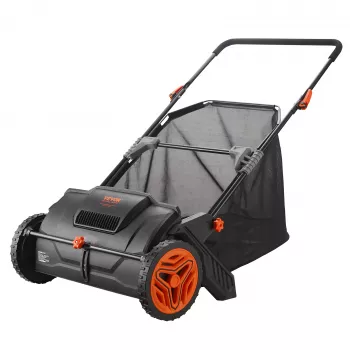
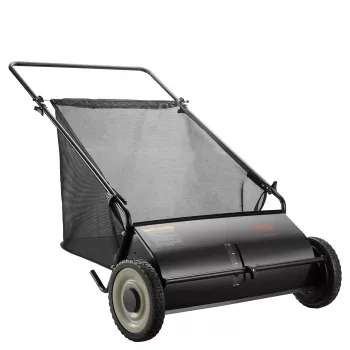
For routine yard tidying, the 21-Inch Push Lawn Sweeper with Large Hopper Bag for Leaves & Grass is designed around a wide collection path and a roomy hopper to reduce stops.
More in-stock picks for around-the-home convenience
- 3-in-1 Apple Charging Station for iPhone, AirPods & Apple Watch
- Portable 8/12 Speed Cordless Handheld Blender Mixer
FAQ
Will a push lawn sweeper pick up wet leaves or damp grass clippings?
It usually performs best on dry debris. Damp material can clump, stick to brushes, and reduce pickup, so waiting for things to dry (or pre-raking into thinner windrows and emptying the hopper more often) helps.
Can it be used on driveways, sidewalks, and patios as well as grass?
Yes—push sweepers can work well on hard surfaces where debris sits on top. Use steady passes, adjust brush height if available, and avoid sweeping gravel or stones that can jam the mechanism or wear brushes faster.
How often should the hopper bag be emptied during use?
Empty it before debris becomes tightly packed. Frequency depends on leaf volume, but a less-packed hopper maintains better collection and keeps the sweeper easier to push.







Leave a comment