Build a Panda Pen Holder: Tree Stump Desk Block Set
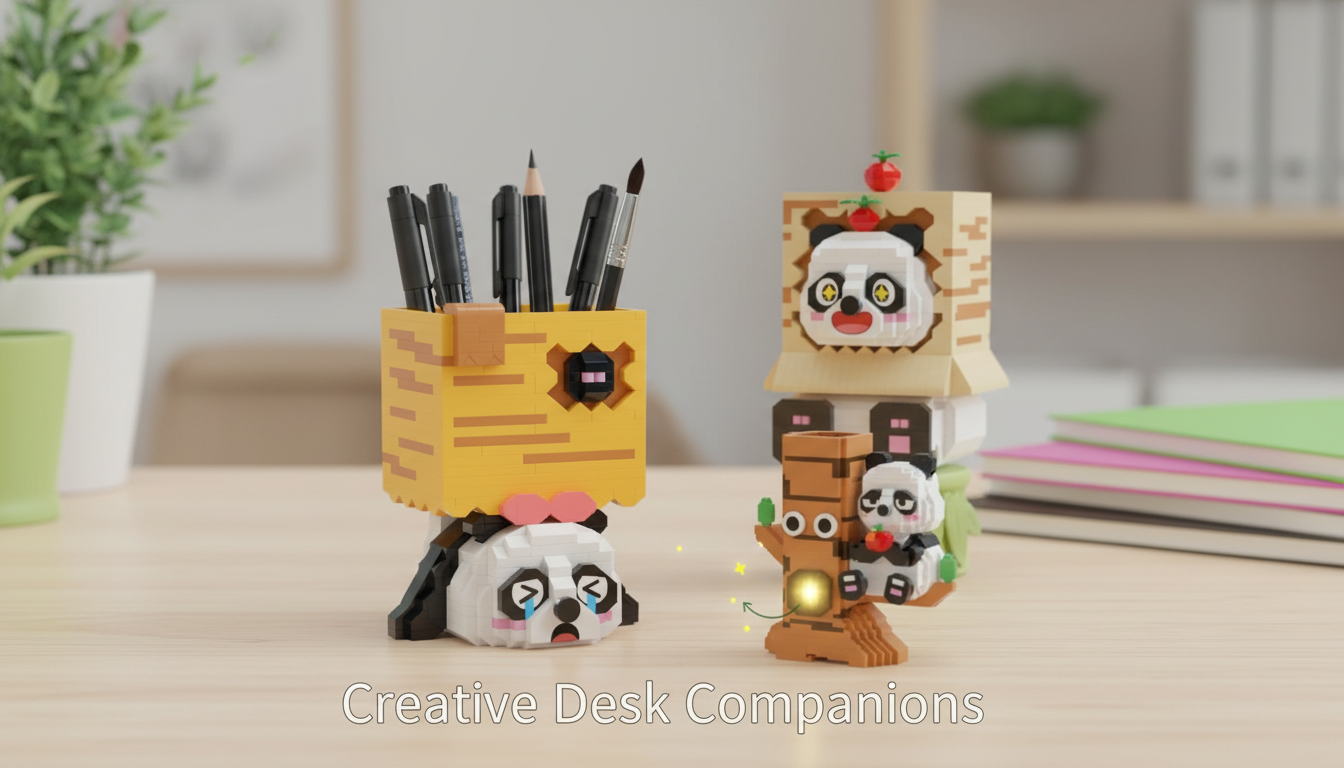
This panda-themed building set combines a practical pen holder with a tree-stump style build, making it a fun desk accessory that also encourages hands-on skills. It works well as a small DIY project for kids, a cute organizer for students, or a quick stress-relief build for adults who like tidy workspaces.
What It Is and What You Build
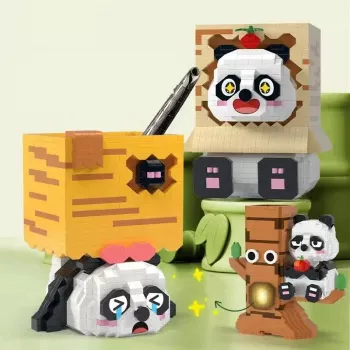
The Panda Building Blocks Office Pen Holder and Tree Stump DIY Educational Toy is a panda-inspired mini building set designed to assemble into a functional desk pen holder with a cozy “tree stump” scene. Once completed, it works as both a display piece and a small organizer for everyday stationery.
- Panda-themed build that forms a pen holder integrated into a decorative stump-style base.
- Holds pens, pencils, markers, or other lightweight desk tools while adding character to a workspace.
- Compact size makes it an easy DIY activity for short build sessions, study breaks, or weekend crafting.
Who It’s For
This kind of build hits a sweet spot between “toy” and “useful,” which makes it easy to match to different ages and routines.
- Kids who enjoy guided building, animal themes, and imaginative desk decor.
- Students who want a simple way to keep writing tools in one spot during homework or class.
- Adults who like miniature builds, collectible desk items, or calming hands-on projects.
- Gift-givers looking for a small, budget-friendly present that feels personal after it’s assembled.
Play-based building and hands-on projects are widely recognized for supporting development and learning—especially when they encourage focus, problem-solving, and creativity (see the American Academy of Pediatrics discussion of play’s benefits here).
Skills It Helps Practice
Even a small build can reinforce practical skills that show up in school, hobbies, and everyday independence. Fine-motor actions—like pinching, aligning, and pressing pieces—are a common part of building toys, and they connect to broader tool control over time (Britannica offers a helpful overview of fine motor skills here).
- Fine-motor control through precise placement of small pieces.
- Patience and step-by-step follow-through from assembling structured builds.
- Spatial reasoning as parts are oriented and layered into a stable shape.
- Creative play after the build through scene-setting, desk styling, and mini storytelling.
- Organization habits by giving writing tools a designated home.
Common Learning Benefits from Building Toys
| Skill area | What building practice looks like | Everyday carryover |
|---|---|---|
| Fine-motor skills | Pinching, pressing, and aligning pieces | Neater handwriting, better tool control |
| Spatial reasoning | Rotating parts and building in layers | Improved mental mapping and geometry readiness |
| Executive function | Following steps, checking progress, correcting errors | Stronger planning and persistence |
| Creativity | Choosing display style and scene layout | More confident imaginative play and design thinking |
| Organization | Using the holder daily | Tidier desk routines and fewer lost supplies |
Desk Use: Pen Holder Practicality
The big win of a buildable pen holder is that it doesn’t just sit on a shelf—it earns a daily spot on the desk. When your most-used tools are visible, it’s easier to start tasks quickly and keep your workspace from turning into a pile of scattered supplies.
- Keeps frequently used pens and pencils easy to grab during homework, journaling, or meetings.
- Adds personality to a neutral workspace without taking up much room.
- Fits well near a charging station, monitor stand, or notebook area to create a simple “tool zone.”
- Best for lightweight stationery (pens, pencils, stylus, small ruler) rather than heavy tools.
For families tracking age-appropriate skills and habits, the CDC’s child development resources can be useful context for how fine-motor and planning skills progress over time (CDC Child Development).
Build Experience and Setup Tips
A smoother building session usually comes down to setup. A few small adjustments can make the process more enjoyable, especially for younger builders or anyone who wants a clean-looking final result.
- Build on a flat, well-lit surface to reduce misplaced pieces and improve alignment.
- Sort pieces by size/type before starting to speed up assembly and reduce frustration.
- For younger builders, split the build into short stages (base, stump/body, details) with quick breaks.
- Press connections firmly and check stability as sections stack to keep the pen-holder cavity aligned.
- After completion, keep it away from frequent bumps if placed near the edge of a desk.
Care, Cleaning, and Keeping It Looking New
Because building sets have small gaps and layered sections, gentle cleaning goes a long way. The goal is to remove dust without stressing the connections.
Ways to Gift or Display It
Related Picks for a More Functional Setup
- Reduce cable clutter: Add a single drop zone for devices with the 3-in-1 Apple Charging Station for iPhone, AirPods & Apple Watch, then keep a pen and highlighter ready beside it.
- Speed up busy mornings: For quick smoothies without leaving a bulky appliance on the counter, consider the Portable 8/12 Speed Cordless Handheld Blender Mixer.
- Create a simple “focus corner”: Place the panda pen holder build next to a notebook or planner so your go-to tools always have a home.
FAQ
Is this more of a toy or a real desk organizer?
It’s both: you build it like a toy, then use it as a functional pen holder. It works best for everyday stationery like pens, pencils, markers, and other lightweight items.
What age range works well for this type of building set?
Older kids and teens can typically build it independently, while younger kids may enjoy it with supervision and the build broken into shorter steps. Adults often like it as a quick, relaxing mini desk project.
How do you keep the finished build from coming apart when used daily?
Press connections firmly during assembly, keep it on a stable surface, and avoid overfilling it with heavy tools. If any section loosens over time, re-seat it by pressing down evenly rather than squeezing the sides.






Leave a comment