180W Cordless Vacuum with 1L Dust Cup: Quick Cleanups
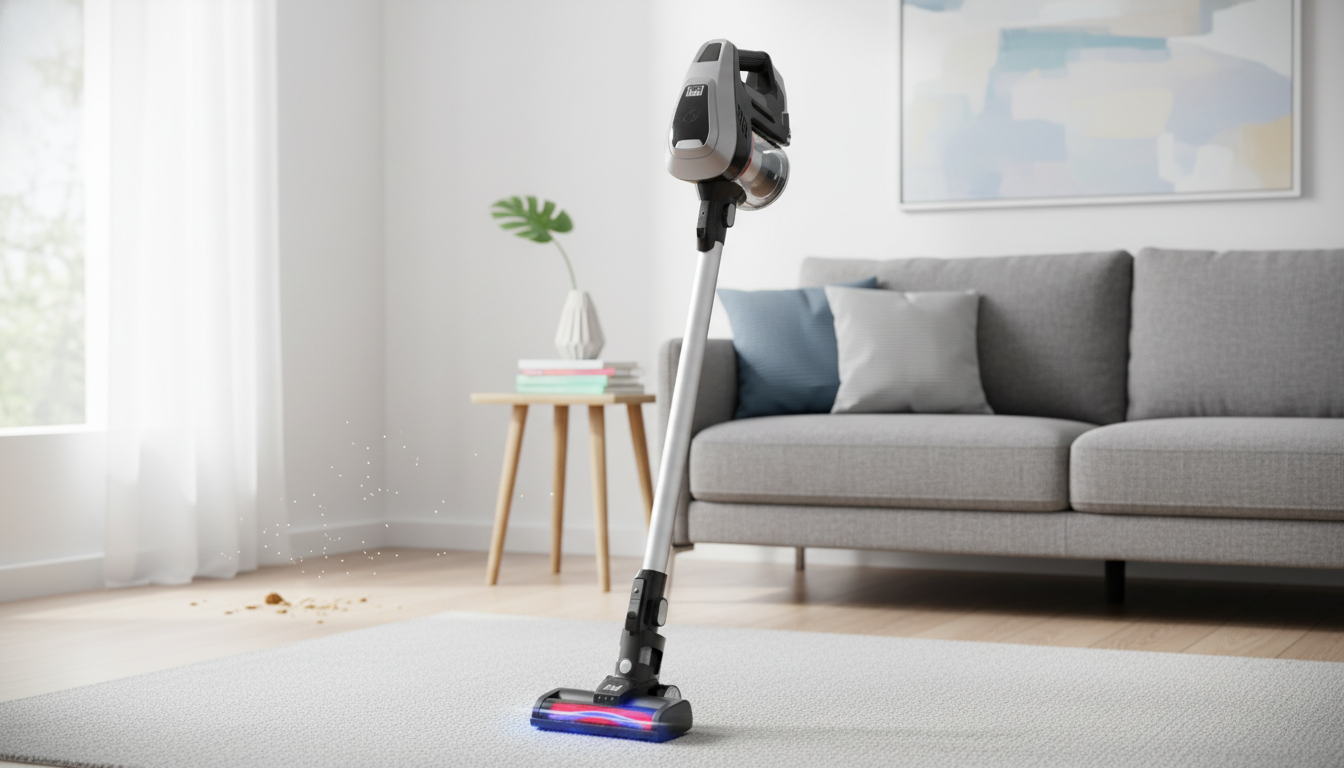
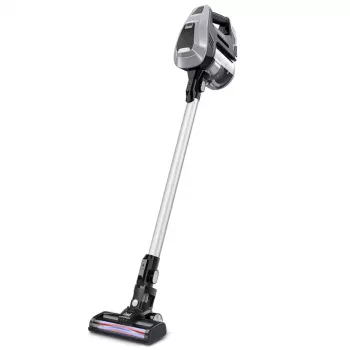
180W Cordless Vacuum Cleaner with 1L Dust Cup
A lightweight cordless vacuum can simplify everyday cleanups—quick crumbs in the kitchen, dusty baseboards, pet hair on rugs, and car seats—without dragging a cord from room to room. This 180W cordless vacuum pairs strong suction with a roomy 1L dust cup, aiming to reduce how often the bin needs emptying while keeping routine maintenance straightforward.
What This Cordless Vacuum Is Best For
- Daily touch-ups in high-traffic areas like entryways, kitchens, and hallways
- Pet hair pickup on low-pile rugs, upholstery, and hard floors
- Stairs and tight spaces where cords and bulky canisters are inconvenient
- Car interiors, including seats, floor mats, and crevices
- Quick cleanups after crafts, snacks, and litter scatter (with proper disposal afterward)
Key Highlights at a Glance
- 180W rated power designed for everyday household debris and dust
- 1L dust cup capacity to help reduce frequent emptying during whole-room passes
- Cordless form factor for faster spot cleaning and easier room-to-room movement
- Bin-style collection for simple empty-and-go maintenance
- Useful as a primary cleaner for small spaces or a secondary vacuum for quick jobs
Quick Specs Snapshot
| Item | Details |
|---|---|
| Product | 180W Cordless Vacuum Cleaner with 1L Dust Cup |
| Dust cup capacity | 1L |
| Power | 180W |
| Availability | In stock |
| Price | $53.97 USD |
Cleaning Performance by Surface
- Hard floors: effective for dust, crumbs, and tracked-in grit; use steady, overlapping passes to capture fine debris along edges.
- Low-pile rugs: best results come from slower passes to lift hair and embedded particles. When you rush, hair can “skim” instead of getting pulled into the airflow.
- Upholstery: use gentle strokes and empty the cup before heavy pet-hair sessions to maintain airflow, especially if hair is fine and fluffy.
- Corners and baseboards: aim the nozzle or crevice tool (if included) along seams where debris collects; follow the baseboard line first, then vacuum the open floor area.
- Cars: start with seats and creases first, then mats, and finish with floor edges for a more complete clean—this keeps loose grit from spreading back onto freshly cleaned sections.
1L Dust Cup: Practical Benefits and What to Watch
- A larger dust cup can reduce interruptions during multi-room cleaning compared with smaller handheld bins, particularly during pet-hair season or after busy weekends.
- Full bins can reduce suction; empty when debris approaches the “max” line (or when airflow noticeably drops). If the sound changes, that’s often a sign it’s time.
- For allergy-sensitive households, empty into a lined trash can and consider doing it outdoors to minimize dust plumes. Good ventilation matters for dusty chores; the U.S. EPA also shares general guidance for keeping moisture and mold under control at home (EPA mold and moisture guide).
- Wipe the cup and seals periodically to prevent fine dust buildup that can affect fit and airflow.
- Confirm the latch closes securely after emptying to avoid leaks during use.
Battery, Runtime Habits, and Charging Routine
- Cordless convenience depends on charging habits; topping up after routine cleanups helps keep it ready for short-notice messes.
- For larger areas, divide cleaning into zones (kitchen + entryway, then living room) if runtime is limited. A quick empty in between zones can also keep airflow consistent.
- Avoid storing the unit completely discharged for long periods; periodic charging supports more consistent performance over time.
- Let filters and dust cup fully dry (after washing) before reinstalling and running the motor. For broader cleaning best practices—especially when dealing with messes that need disinfecting—review the CDC’s general recommendations (CDC cleaning and disinfecting guidance).
Comfort and Usability for Everyday Cleaning
- Cordless handling makes it easier to clean stairs, shelves, and quick spills without outlet hunting.
- A balanced grip matters most for overhead work (cobweb corners, vents, curtain edges); take short breaks for longer sessions to reduce wrist fatigue.
- Use smooth, slow strokes for fine dust; use slightly faster passes for larger crumbs and litter. When in doubt, slow down along walls and furniture edges.
- Keep a small “cleanup kit” routine: empty cup, check filter, quick nozzle inspection—this keeps performance consistent and prevents surprise clogs mid-task.
Maintenance Checklist to Keep Suction Consistent
Simple Maintenance Schedule
| Task | When to do it | Why it matters |
|---|---|---|
| Empty dust cup | After each session or when nearing full | Helps maintain airflow and suction |
| Check intake for clogs | Weekly (or after picking up hair/thread) | Prevents blockages and overheating |
| Clean filter | Every 1–4 weeks depending on use | Improves fine dust capture and performance |
| Wipe cup and seals | Monthly | Supports a tighter seal and steadier suction |
How It Compares to Common Alternatives
Who Should Consider This Model
Product Page and What to Confirm Before Ordering
Also In Stock (Worth a Look)
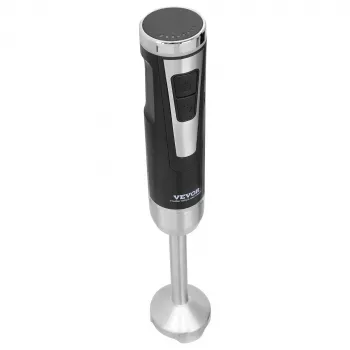
- Portable 8/12 Speed Cordless Handheld Blender Mixer (cordless convenience for quick smoothies and shakes)
- 3D Wooden Racing Car Puzzle Kit (a hands-on project for downtime between resets)
- Bohemian Hypoallergenic Imperial Jasper Stone Drop Earrings for Women (a simple gift pick when you’re already shopping)
FAQ
How often should the 1L dust cup be emptied?
Empty it after each session or whenever debris is nearing the max line, since a fuller cup reduces airflow and suction. If dust is a concern, empty into a lined trash can and consider doing it outdoors to limit airborne particles.
Can a cordless vacuum handle pet hair on rugs and upholstery?
Yes—daily pet hair on low-pile rugs, upholstery, and hard floors is manageable with slower passes and regular bin/filter care. For thicker or more textured rugs, expect extra passes and check the intake path more often for hair buildup.
What maintenance keeps suction from dropping over time?
Keep airflow open by emptying the cup frequently, cleaning the filter on a routine schedule, and clearing hair/threads from the intake before they form clogs. Wiping seals and ensuring washed parts are completely dry before reassembly also helps maintain consistent performance.









Leave a comment