Cardio + Strength: Weekly Plan to Burn Fat and Build Muscle

Cardio + Strength Done Right: A Practical Checklist for Fat Loss, Muscle Gain, and Endurance
Combining cardio and strength training can accelerate results—if the weekly plan matches the goal, recovery, and current fitness level. The key is to use cardio to build conditioning and increase total activity without letting it erode performance on the lifts that build (and keep) muscle. Below is a practical, repeatable way to plan your week, choose intensities, and adjust when progress stalls.
Start With the Outcome: Fat Loss, Muscle Gain, or Endurance
Your best “hybrid” plan depends on what you want most over the next 6–12 weeks. Pick a primary goal, then keep the other qualities at maintenance so you can recover and progress.
- Fat loss: prioritize total weekly activity, keep strength training consistent, and use cardio to increase energy expenditure without draining recovery.
- Muscle gain: prioritize progressive overload in strength sessions; keep cardio moderate and strategic (often shorter or lower-impact) to protect training quality.
- Endurance: prioritize cardio volume and sport-specific work; strength training supports durability, power, and injury resilience.
- When goals conflict: choose a “primary” goal for 6–12 weeks and keep the other as maintenance.
For a baseline reference on weekly activity targets, the CDC Physical Activity Guidelines for Adults align well with a balanced cardio + strength approach.
The Interference Effect: How to Avoid Cardio Undercutting Strength
“Interference” shows up when fatigue from cardio (especially high-intensity or high-impact work) reduces your ability to train hard in strength sessions—most noticeably for lower body. Good scheduling fixes most of it.
- Separate hard cardio and heavy lower-body lifting by 6–24 hours when possible (example: strength in the morning, cardio in the evening).
- If sessions must be back-to-back: lift first when strength or muscle is the priority; do cardio first only when endurance performance is the priority.
- Choose low-impact cardio to reduce soreness and joint stress: cycling, incline walking, rowing, elliptical, swimming.
- Match cardio intensity to recovery capacity: too much high-intensity work can reduce performance on key lifts and increase injury risk.
Quick Rules for Scheduling Cardio and Strength
| Goal priority | Best order if same day | Cardio type that fits well | Notes |
|---|---|---|---|
| Strength / muscle gain | Strength → cardio | Low-impact Zone 2 (20–40 min) | Keep HIIT limited; protect leg-day quality |
| Fat loss | Strength → cardio (or separate days) | Mix of Zone 2 + short intervals | Maintain lifting volume; increase steps/NEAT |
| Endurance | Cardio → strength (or separate) | Sport-specific + tempo/intervals | Strength 2–3 days/week as support |
| Busy schedule | Full-body strength + short finisher | 10–15 min intervals or brisk incline walk | Keep it repeatable and recoverable |
Weekly Training Templates (Pick One and Run It for 4–8 Weeks)
Choose the simplest template you can execute consistently. Progress comes from repeatable weeks, not perfect weeks.
Option A: 3-Day Strength + 2-Day Cardio (Balanced)
- Mon/Wed/Fri: full-body strength
- Tue: Zone 2 (20–45 minutes)
- Sat: intervals or tempo (shorter, higher focus)
- Sun: rest or easy walk
Option B: 4-Day Strength + 2-Day Cardio (Muscle-Leaning)
- Upper/lower split (4 days)
- Zone 2 after upper-body days (or separate days)
- One interval day placed away from heavy lower day
Option C: 2-Day Strength + 3-Day Cardio (Endurance-Leaning)
- Two full-body strength days (keep effort high, volume controlled)
- Three cardio days: one longer easy session + one tempo/threshold style + one interval day (as tolerated)
Minimum Effective Plan (When Life Is Busy)
- 2 strength sessions/week
- 2 cardio sessions/week (20–30 minutes)
- Daily walking baseline
For a broader framework on combining aerobic and strength work across the week, the ACSM Exercise Guidelines are a strong reference.
Intensity Made Simple: Zone 2, Tempo, and Intervals
Most hybrid plans work best when steady, easier cardio forms the foundation and harder sessions are used like seasoning—not the whole meal.
The Checklist: Make Every Week Work
If you want a simple, saveable format you can reuse weekly, the Cardio + Strength Done Right | How to Combine Cardio and Strength Training Effectively | Fitness Checklist for Fat Loss, Muscle Gain & Endurance keeps the plan focused on what matters: training order, weekly balance, and recovery signals.
Common Mistakes and Fast Fixes
For a reminder of how broad health benefits compound with consistency (even at moderate intensity), see the NIH overview of the health benefits of physical activity.
Tools That Make Consistency Easier
- A printable checklist: Helps keep weeks balanced so intensity doesn’t creep up unintentionally. The Cardio + Strength Done Right checklist is a straightforward way to plan, execute, and adjust without overcomplicating your training.
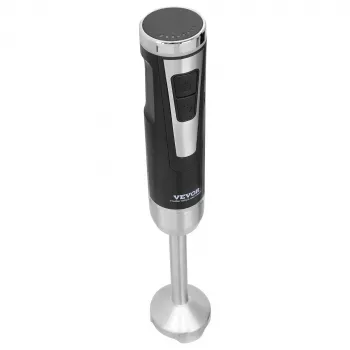
- Simple post-training nutrition: A protein shake or smoothie can support recovery on busy days, especially when appetite is low after training. The Portable 8/12 Speed Cordless Handheld Blender Mixer makes it easier to keep protein and carbs consistent without turning meal prep into a second job.
FAQ
Should cardio and strength be done on the same day?
Yes, if recovery allows. When strength or muscle is the priority, lift first and keep cardio lower-impact or moderate, and separate hard lower-body lifting and hard intervals by 6–24 hours when possible.
How many cardio sessions per week is best for fat loss without losing muscle?
Often 2–4 sessions per week works well: mostly Zone 2 plus at most one interval day, while maintaining 2–4 strength sessions and eating adequate protein.
Is HIIT better than steady-state cardio for endurance and body composition?
HIIT is time-efficient and improves performance, but steady-state (Zone 2) builds an aerobic base and is easier to recover from. A mix usually works best, with steady-state as the foundation.











Leave a comment