Crispy Belgian Waffles: Stainless Steel Maker Guide
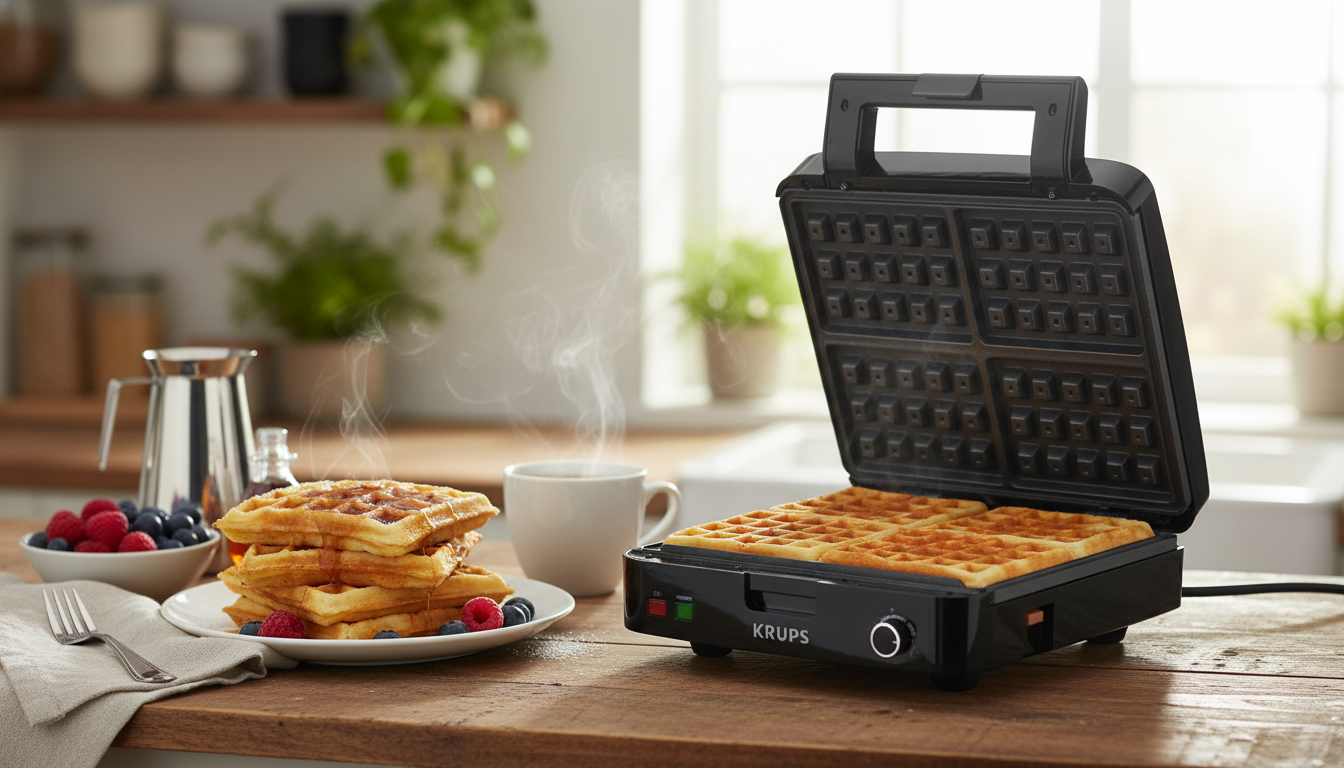
A stainless steel Belgian waffle maker is built for steady heat, easy wipe-down cleanup, and the kind of deep pockets that hold syrup, fruit, and whipped cream without turning your breakfast into a soggy mess. If you’re aiming for waffles that are crisp at the edges, tender in the middle, and evenly browned from corner to corner, a few design details—and a few simple habits—make all the difference.
What Makes a Belgian Waffle Different
Belgian-style waffles stand out for their thicker build and deeper pockets. That extra depth creates room for toppings and also encourages a lighter, airier interior—when the maker can maintain stable heat.
Even browning relies on consistent temperature and good plate contact. A waffle maker that heats unevenly may leave pale sections near the hinge or darker “hot spots” near the front edge. Steam management is also key: as the batter cooks, moisture needs a path to escape so the outside can crisp while the center stays tender rather than dry.
Two small steps can noticeably improve texture: fully preheating before the first pour and letting batter rest briefly. Resting allows flour to hydrate and leavening to activate more evenly, which helps lift the waffle and prevents a gummy middle.
Why Stainless Steel Is a Practical Choice
Stainless steel is a smart, everyday exterior for a waffle maker because it’s tough, corrosion-resistant, and well-suited to frequent use. Compared with painted finishes, it typically wipes clean more easily and is less likely to show wear from repeated handling.
It also looks “at home” on the counter next to other kitchen staples like toaster ovens, coffee machines, and mixers. Beyond looks, a sturdy metal housing can help protect internal components by adding rigidity and reducing flex during opening and closing.
Stainless Steel Belgian Waffle Maker: Quick Product Snapshot
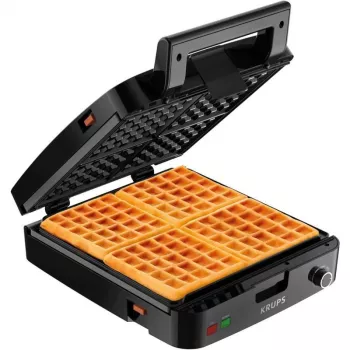
If you want classic Belgian-style waffles with deep pockets and a durable, easy-to-match exterior, the Stainless Steel Belgian Waffle Maker is a solid everyday pick for weekend breakfasts, brunch spreads, and dessert waffles.
| Item | Details |
|---|---|
| Product | Stainless Steel Belgian Waffle Maker |
| Price | $104.47 USD |
| Availability | In stock |
| Best for | Deep-pocket waffles, brunch, desserts |
Features That Affect Results Most
When waffles don’t turn out the way you expect—too pale, too soft, unevenly cooked—it’s usually tied to a few specific features.
Plate style and coating
A quality nonstick surface makes release easier and cleanup faster. To keep coatings performing well, skip metal utensils and use silicone, wood, or nylon tools instead.
Indicator lights or audible alerts
Clear indicators reduce guesswork, especially when cooking multiple batches for family or guests. They’re also helpful for consistency when different people are using the same appliance.
Temperature control
More control means you can match your preference: light golden and soft, or deeper brown with a firmer crisp. If you often swap batters (classic, chocolate, gluten-free, higher-sugar dessert batters), adjustable browning is especially useful.
Hinge design and lid weight
A well-designed hinge helps the lid sit evenly and maintain good contact across the plates. That contact supports uniform heat transfer, which is what prevents “pale corners” or overdone edges.
Drip management
Batter expands as it cooks. A channel or overflow area can make the difference between a quick wipe-down and a sticky, baked-on mess along the sides.
How to Get Even Browning and Crisp Edges
Great waffles are as much technique as they are equipment. A few consistent habits can level up your results immediately.
| Problem | Likely Cause | Fix |
|---|---|---|
| Pale waffles | Not fully preheated or low heat | Wait for full preheat; raise browning level if available |
| Sticking | Coating needs conditioning or batter too sugary | Light oil; reduce sugar; allow full cook time before opening |
| Soggy texture | Stacking hot waffles or undercooking | Cool on a rack; cook slightly longer for more crisp |
| Overflow | Too much batter | Reduce batter amount; pour centered and spread slightly |
Cleaning and Care for Long-Term Performance
If you’re holding waffles for later, cool them quickly and store safely. For general food storage timing and temperature guidance, refer to the USDA Food Safety and Inspection Service leftovers and food safety recommendations.
Serving Ideas and Useful Pairings
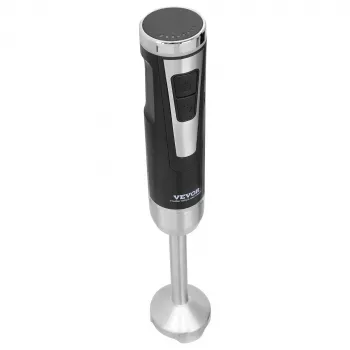
For quick batters and sauces with minimal cleanup, a cordless mixer can be a handy sidekick. The Portable 8/12 Speed Cordless Handheld Blender Mixer helps smooth out batter lumps and emulsify simple toppings like whipped ricotta or fruit coulis.
If you’re cooking for guests, keep allergen considerations in mind when choosing mixes and toppings; the FDA’s food allergen information is a helpful reference for common allergens and labeling basics.
FAQ
How long should a Belgian waffle cook in a waffle maker?
Most batches take a few minutes once the maker is fully preheated, but timing depends on batter thickness and how dark you like the finish. A good cue is when steam output slows down; if your unit has a doneness indicator, use it for consistency.
Why do waffles stick even on nonstick plates?
Sticking can happen when plates aren’t fully preheated, the coating is worn or scratched, or the batter has a higher sugar content. Lightly oiling (if allowed), avoiding metal tools, and letting the waffle cook fully before lifting usually fixes it.
How can waffles stay crisp for a group breakfast?
Place finished waffles on a wire rack instead of a plate so steam can escape, then keep them warm in a low oven. Avoid stacking until right before serving to prevent trapped moisture from softening the crust.








Leave a comment