Pocket 3-in-1 Wireless Power Bank for iPhone
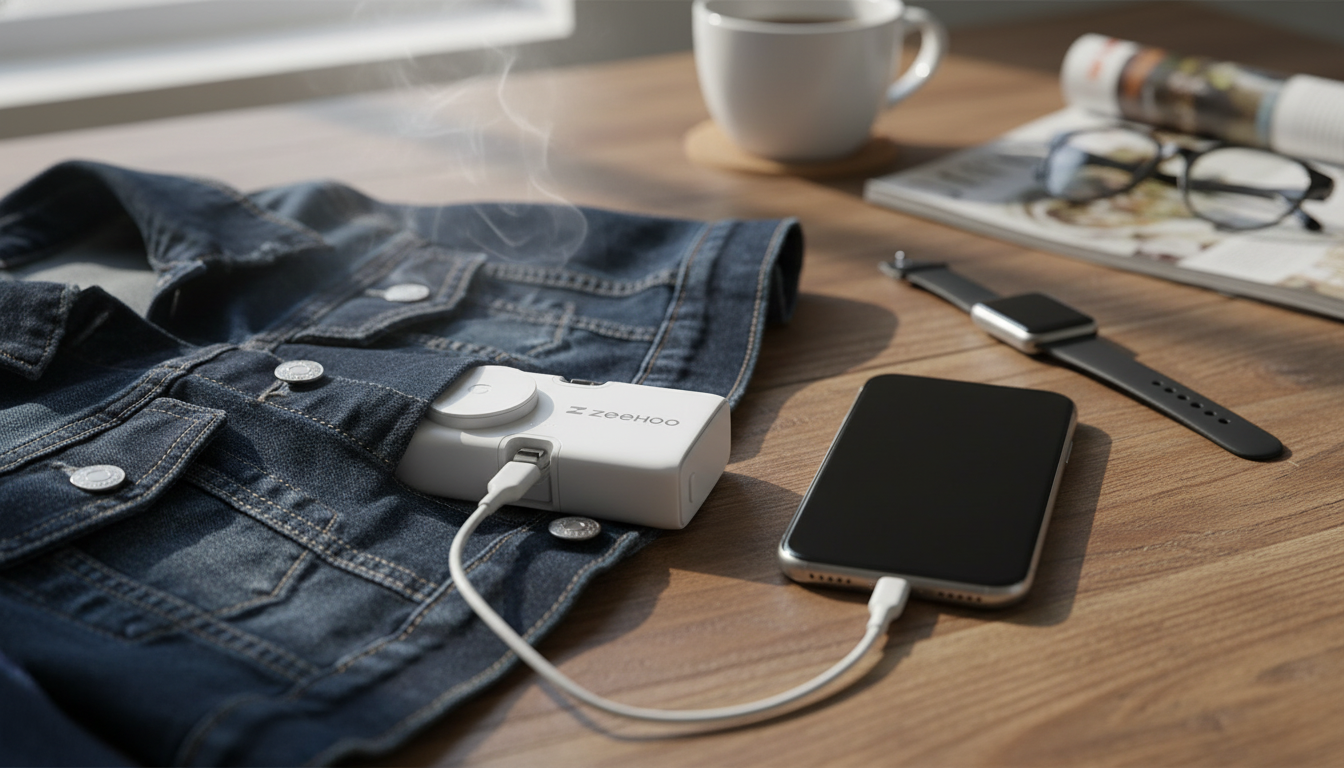
3-in-1 Pocket-Sized Power Bank with Wireless Charging for Apple Devices
A pocket-sized power bank with wireless charging can keep an iPhone topped up without hunting for outlets or dealing with bulky bricks. This 3-in-1 style is designed for Apple-device users who want a compact backup that’s easy to carry daily, quick to use, and flexible enough to handle different charging situations—wireless on the go and wired when speed or compatibility matters.
What “3-in-1” means for everyday charging
A “3-in-1” pocket power bank is built around flexibility. Instead of relying on one charging method, it typically offers wireless charging plus one or more wired outputs so you can choose what makes sense in the moment.
- Supports convenient wireless top-ups for compatible Apple devices, reducing cable clutter in pockets, bags, and cars.
- Combines multiple ways to charge (wireless + one or more wired outputs), so a single backup can serve different devices or scenarios.
- Useful for commutes, travel days, conferences, and short errands where a full wall charge isn’t practical.
- Pocket-sized form factor is aimed at everyday carry: small enough for a jacket pocket, small purse, or tech pouch.
If you use MagSafe-compatible iPhones, magnetic alignment can make wireless charging feel more “snap-on and go.” Apple’s overview of how MagSafe works is a helpful reference for compatibility and accessories: Apple Support: About MagSafe on iPhone.
Who it’s best for
- iPhone users who rely on wireless charging at a desk or bedside and want the same convenience when away from home.
- Travelers who need a lightweight backup to cover navigation, rideshare apps, boarding passes, and photos.
- Minimalists who prefer one compact power solution over carrying multiple cables and adapters.
- Students and commuters who want quick, no-fuss charging during short breaks.
Key features to look for in a pocket-sized wireless power bank for Apple devices
Small power banks can vary widely in real-life usability. These details make the difference between a backup you actually carry and one that stays in a drawer.
- Wireless compatibility: confirm the phone supports Qi (and, if desired, MagSafe-style magnetic alignment for easier positioning). For background on Qi standards and certification, see the Wireless Power Consortium.
- Wired options: having a port for cable charging is helpful for faster top-ups, non-wireless devices, or when wireless use is inconvenient.
- Pocket practicality: rounded edges, durable casing, and a design that won’t snag when sliding in and out of pockets.
- Heat management: wireless charging generates heat; look for a design that stays comfortable to hold during use.
- Safety protections: overcharge, overcurrent, and temperature protection help safeguard both the power bank and the device.
- Clear indicators: battery-level LEDs (or similar) help avoid guessing how much reserve power is left.
Heat is normal during charging, but excessive warmth can slow charging or cause devices to pause. Apple’s guidance on temperature conditions is worth bookmarking: Apple Support: If your iPhone or iPad gets too hot or too cold.
Quick comparison: wireless vs wired when using a compact power bank
Having both wireless and wired options lets you match your charging style to your schedule. Wireless is often the easiest for light use, while wired is usually the most efficient when you need a quicker boost.
| Use case | Wireless charging | Wired charging |
|---|---|---|
| Walking around or commuting | Convenient if the phone can stay aligned on the pad | Best if using the phone actively while charging |
| Fast top-up before leaving | Often slower for short windows | Often more efficient for quick boosts |
| Desk or bedside backup power | Simple and cable-free | Reliable if alignment is difficult |
| Heat-sensitive situations (warm room, heavy use) | May warm up more | Often cooler and more efficient |
- Wireless is about convenience—set it and forget it during meetings, commutes, or casual use.
- Wired charging is typically more efficient and can be preferable when time is limited.
- For best results, keep phone cases thin and free of metal rings or thick wallet attachments during wireless charging.
- If the phone becomes warm, pause charging briefly or switch to wired to reduce heat buildup.
How to use it smoothly (and avoid common annoyances)
Compact wireless charging is simple, but a few small habits can prevent most hiccups—especially if you’re charging while moving, multitasking, or juggling accessories.
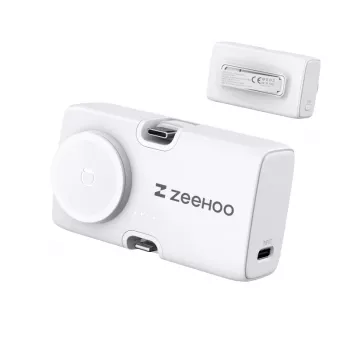
Product spotlight: 3-in-1 Pocket-Sized Power Bank with Wireless Charging for Apple Devices
If the goal is a compact, everyday backup for an iPhone, the 3-in-1 Pocket-Sized Power Bank with Wireless Charging for Apple Devices is designed around quick convenience and minimal bulk.
Small, practical add-ons for travel days and daily carry
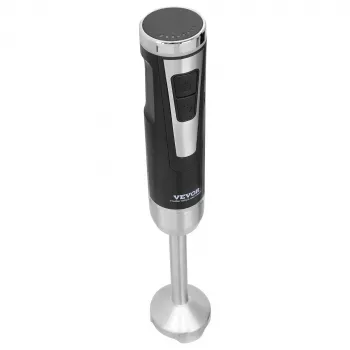
- Portable 8/12 Speed Cordless Handheld Blender Mixer for quick smoothies or protein shakes when outlets (or kitchen time) are limited.
- 3D Wooden Racing Car Puzzle Kit as a screen-free activity for downtime—great for flights, rainy weekends, or gifting.
When a small wireless power bank is (and isn’t) the right choice
FAQ
Will wireless charging work with a phone case on?
Usually yes with thin, non-metal cases. Thick cases, metal plates, magnetic rings, or wallet attachments can interfere with alignment and reduce charging performance.
Does wireless charging drain a power bank faster than using a cable?
Wireless charging is typically less efficient than wired charging. That means you may get fewer total percentage points added to your phone from the same power bank capacity compared with using a cable.
Is it safe to use wireless charging while using navigation or video?
It can be safe, but it may generate more heat because the phone is working hard while charging. If the phone becomes noticeably warm, switch to wired charging or pause charging for a few minutes.










Leave a comment