Solar Motion Sensor Alarm Light: Safer Nights Outdoors
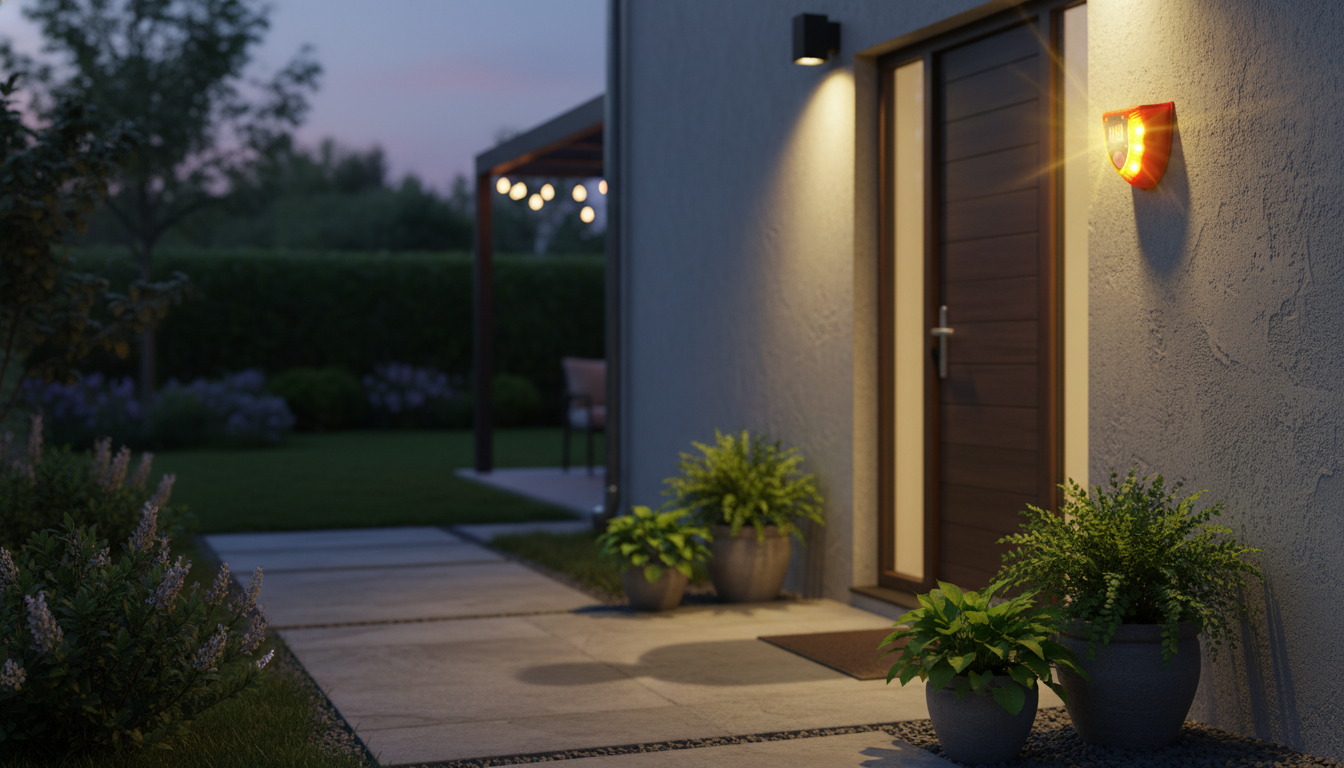
Solar-Powered Motion Sensor Alarm Light for Nighttime Security and Safer Walkways
A solar-powered motion sensor alarm light adds visibility and an extra layer of deterrence around doors, garages, sheds, and pathways. It charges during the day, then reacts to movement at night with bright light and an attention-getting alarm—helping reduce trips and surprises after dark while avoiding complicated wiring.
What It Does (and Where It Helps Most)
Once the sun goes down, motion-activated lighting can make everyday routines feel easier and safer—taking out the trash, walking the dog, unlocking the front door, or navigating steps. A solar-powered motion sensor alarm light is designed to respond instantly when motion is detected, so you’re not fumbling for switches or phone flashlights.
- Detects motion after dark and responds with bright illumination to improve visibility.
- Adds an audible alarm option to help discourage unwanted activity near entry points.
- Useful placements include the front door, driveway edge, garage, side gate, backyard patio, trash bins, sheds, and darker stair runs.
- A practical choice for rentals and detached buildings where wiring is inconvenient.
- Works as a “welcome light” for arriving home and as a “heads-up” signal for unexpected movement.
For general guidance on solar lighting outdoors, the U.S. Department of Energy has a helpful overview of how solar outdoor lights work and what affects performance: U.S. Department of Energy — Outdoor Solar Lighting.
How Solar Charging and Motion Detection Work Together
Solar-powered motion lights combine two jobs into one compact fixture: collecting energy in daylight and using it efficiently at night. A top-mounted solar panel converts sunlight into stored power, typically held in a built-in battery, so the unit can operate after dark without running electrical wiring.
- A solar panel charges during the day to power evening operation.
- A motion sensor monitors a detection zone; when movement is detected, the unit activates the light and (depending on the mode) the alarm.
- Performance depends on daylight exposure, season, mounting angle, and how often it triggers at night.
- Best results come from mounting where the panel gets several hours of direct sun and the sensor faces the approach path.
If the light is placed in deep shade or it’s triggered constantly through the night (pets, street traffic, swaying branches), it may not maintain the same brightness or run time. Small adjustments—like turning the sensor away from the street or lowering sensitivity—can make a noticeable difference.
Quick Comparison: Common Modes and Best Uses
The most practical setups depend on how “busy” the area is. A front walkway may see frequent motion, while a shed door might only see movement when someone approaches unexpectedly. Selecting the right mode helps balance convenience, deterrence, and battery life.
| Mode | Best locations | Why it helps | Setup tip |
|---|---|---|---|
| Motion light | Walkways, steps, patio | Improves visibility and reduces trip risk | Aim slightly downward to light the ground, not neighbors’ windows |
| Motion light + alarm | Front door, side gate, garage, shed | Adds attention and deterrence when movement is unexpected | Use higher sensitivity only where false triggers are unlikely |
| Low-traffic area settings | Back corners, fence lines | Conserves stored power for longer overnight coverage | Prioritize sun exposure over perfect concealment |
Choosing the Right Mounting Spot
Placement matters as much as the light itself. A well-mounted unit charges better during the day and triggers more reliably at night—without becoming a nuisance for neighbors or your own household.
- Maximize sunlight: Mount where the solar panel avoids shade from eaves, trees, and fences for most of the day.
- Control what triggers it: Point the sensor toward the route a person would walk, not toward roads, waving branches, or reflective surfaces.
- Height and angle: Place high enough to cover the approach, then tilt to cover the target zone without overshooting.
- Avoid nuisance activation: Factor in pets, sprinklers, wind-blown plants, and shared property lines.
For broader home safety and security guidance, the Federal Trade Commission shares practical steps that pair well with good outdoor lighting: Federal Trade Commission — Outdoor Lighting and Home Security Tips.
Installation and Setup (No Wiring)
Solar motion lights are popular because setup is straightforward. With no wiring to route, you can usually get from unboxing to testing within minutes.
Real-World Tips for Better Nighttime Results
Solar-Powered Motion Sensor Alarm Light (Product Overview)
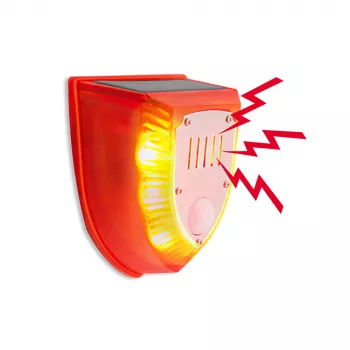
If you want a budget-friendly way to brighten entry points and get a clear alert when movement happens, the Solar-Powered Motion Sensor Alarm Light is designed to provide motion-activated lighting with an audible alarm option for outdoor awareness and deterrence. Solar-powered operation keeps installation simple by avoiding electrical wiring, making it a practical fit for doors, gates, sheds, and darker walkways.
More in-stock picks
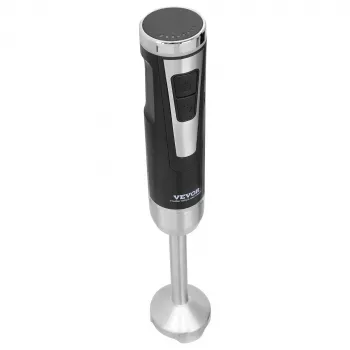
- Portable 8/12 Speed Cordless Handheld Blender Mixer
- Bohemian Hypoallergenic Imperial Jasper Stone Drop Earrings for Women
- 3D Wooden Racing Car Puzzle Kit
Care, Weather, and Long-Term Use
FAQ
Will it still work after cloudy days?
It can, but output depends on how much charge was stored and how often it triggers at night. Cloudy weather reduces charging, so prioritize direct sun exposure and consider lowering sensitivity or using a lower-activity mode during low-sun seasons.
Does the alarm sound every time it detects motion?
Many units offer different modes, including light-only and light + alarm. Light-only is usually better for high-traffic areas, while alarm mode is best for doors, gates, or storage spots where movement is unexpected.
Where should it be mounted to avoid false alarms?
Aim the sensor away from roads, moving branches, reflective surfaces, and areas where pets roam. Mount it to face the approach path and test at dusk so you can fine-tune the angle and sensitivity before relying on it overnight.









Leave a comment