Walnut Wooden Box: Rigid Apple Pencil Protection

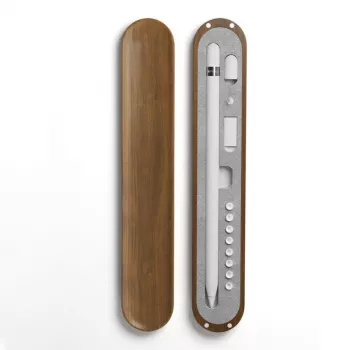
Walnut Wooden Box for Apple Pencil Protection
A walnut wooden box adds a layer of everyday protection for an Apple Pencil while also looking at home on a desk, in a bag, or on a nightstand. Unlike soft sleeves that prioritize slimness, a rigid wood case is built to keep the Pencil separated from loose items and contained during transit. Below is a practical breakdown of what a wooden protective box helps with, what to check for compatibility, and how walnut compares with common alternatives so storage and travel feel simpler and more secure.
What a Walnut Wooden Box Protects Against
An Apple Pencil spends a lot of time sharing space with objects that can wear it down over months of commuting or daily carry. A rigid walnut box is meant to be a “safe zone” that limits direct contact and movement.
- Scratches from keys, chargers, and other bag items that can dull the Pencil’s finish and create small scuffs over time.
- Minor impacts and drops that can chip tips, dent the barrel, or crack small accessories in a crowded backpack.
- Dust and pocket lint buildup around the tip area during travel or longer-term storage.
- Rolling off desks: a rigid box stays put and keeps the Pencil contained instead of drifting toward the edge.
For model sizing reference, Apple publishes dimensions in its technical specifications for Apple Pencil (1st generation) and Apple Pencil (2nd generation).
Why Walnut Works Well for Desk Storage and Travel
Walnut has a reputation for combining visual warmth with day-to-day practicality. As a hardwood, it’s generally more resistant to small dents than many softwoods, which helps a case stay presentable with regular handling. For a deeper look at wood behavior and durability as a material, the USDA Forest Service Wood Handbook is a helpful reference.
- Hardwood durability: walnut resists everyday dings better than many softwoods.
- Comfort and grip: a smooth wood surface is pleasant to handle and less slippery than some glossy plastics.
- Natural look: wood grain pairs well with aluminum tablets, leather folios, and minimal desk setups.
- Gift-ready presentation: a fitted wood box often feels more premium than a basic sleeve.
Fit and Compatibility Checks Before Buying
The most important detail is simple: Apple Pencil generations do not share identical dimensions or shape features, and a case that’s “close enough” can still rattle, press the tip, or feel awkward to open and close. A wooden box is primarily for storage and transport; it won’t support magnetic charging on an iPad edge while enclosed.
- Apple Pencil generation: confirm whether the box is made for Apple Pencil (1st gen) or (2nd gen); dimensions differ.
- Room for accessories: check if there’s space for a spare tip, adapter, or a small charging accessory.
- Closure style: look for a lid/hinge or slide closure that stays secure during movement.
- Interior contact points: a soft lining or snug cradle helps prevent rattling and micro-scratches.
- Magnetic charging habits: plan on removing the Pencil from the box to charge or pair (the case is a “park it safely” solution).
Quick compatibility checklist
| What to check | Why it matters | How to confirm |
|---|---|---|
| Apple Pencil model | Avoids a loose or too-tight fit | Match the listing’s stated generation and dimensions |
| Interior padding or cradle | Reduces rattling and abrasion | Look for mention of lining, felt, or fitted insert |
| Closure security | Prevents accidental opening in a bag | Check for a firm slide fit, latch, or tight lid tolerance |
| Accessory capacity | Keeps tips/adapter together | See whether a spare tip slot or extra compartment is included |
| Overall length | Ensures the Pencil fits fully inside | Compare product length to Apple’s published Pencil length |
Wood Box vs Common Alternatives
Each Apple Pencil protection style has a “best use” scenario. A walnut wooden box is strongest when the Pencil needs rigid containment between uses, especially inside bags or shared workspaces.
| Option | Best for | Trade-offs |
|---|---|---|
| Walnut wooden box | Rigid storage, desk organization, gifting | Adds bulk; storage-only (not used while drawing) |
| Silicone sleeve | Grip and minor drops while using the Pencil | Less tip protection in bags; can trap dust |
| Hard plastic case | Lightweight travel protection | Can look worn; hinge/latch quality varies widely |
| Leather sleeve | Slim everyday carry | Less crush resistance; needs care to avoid moisture stains |
Care Tips for Walnut and Everyday Use
A wooden case is easy to keep looking sharp with a few small habits. The goal is to protect both the wood finish and the Pencil surface it contacts.
- Keep it dry: wipe off moisture promptly to avoid swelling or finish marks.
- Clean gently: use a soft microfiber cloth; avoid harsh household cleaners that can haze finishes.
- Prevent grit: if sand or dust gets inside, empty and wipe to avoid rubbing particles against the Pencil.
- Occasional conditioning: a light wood-safe conditioner can help maintain luster (follow product finish guidance).
- Avoid extreme heat: don’t leave in hot cars where adhesives/finishes can soften.
When a Wooden Box Makes the Most Sense
Product Options (In Stock)
Walnut Wooden Box for Apple Pencil Protection
3D Wooden Racing Car Puzzle Kit
FAQ
Will a walnut wooden box fit both Apple Pencil generations?
Not always. The 1st and 2nd generation Apple Pencil differ in length and shape, so it’s important to verify the listing’s stated compatibility and compare dimensions before buying.
Does a wooden box protect the Apple Pencil tip during travel?
Yes, a rigid box reduces the risk of the tip being bumped or bent by surrounding items. For best protection, choose a design that holds the Pencil snugly so it can’t rattle or press the tip against hard interior edges.
How should a walnut case be cleaned and maintained?
Wipe it with a soft microfiber cloth and keep it dry. Avoid harsh cleaners, and use a wood-safe conditioner only if it matches the case’s finish and care guidance.










Leave a comment